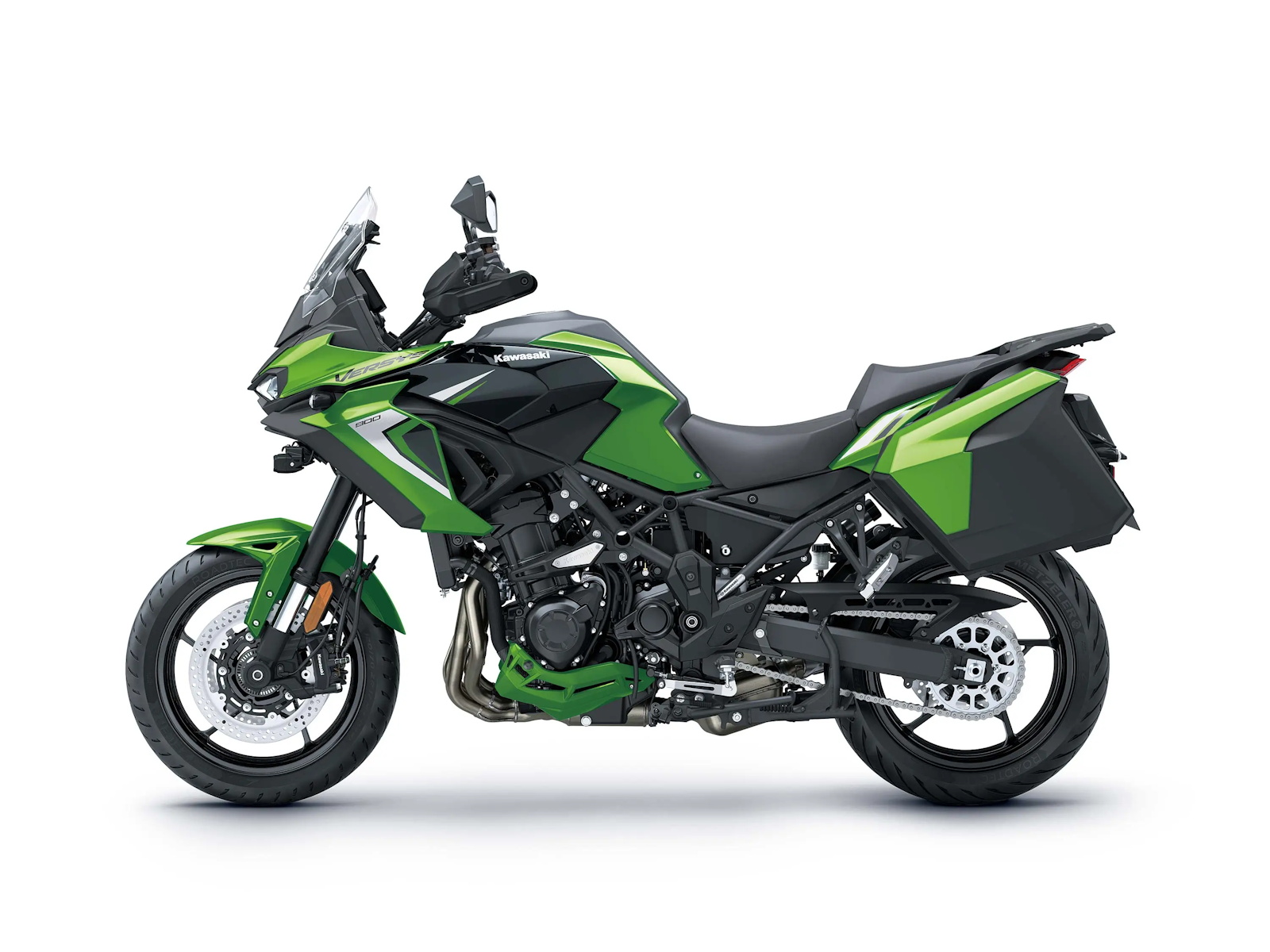
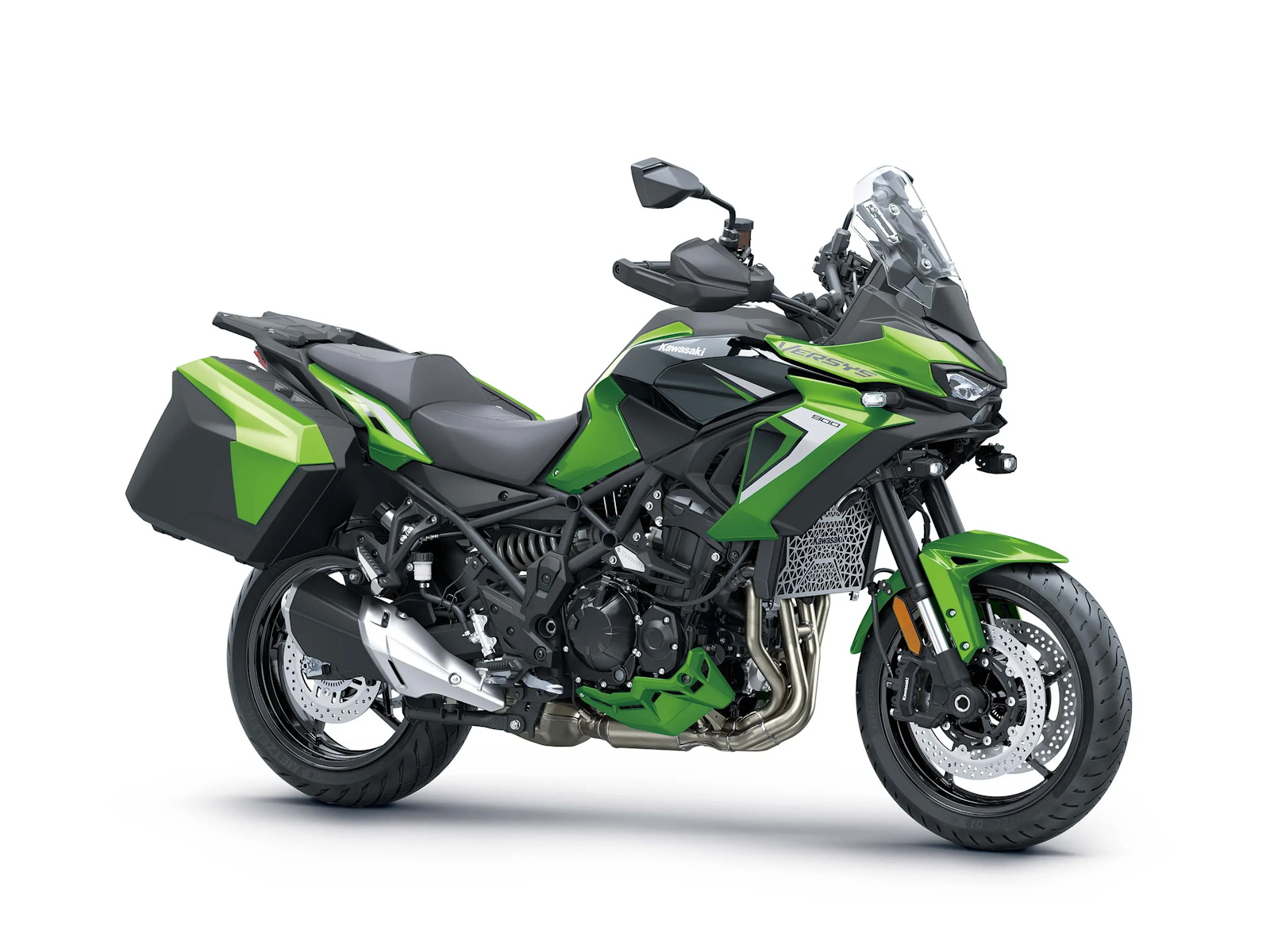
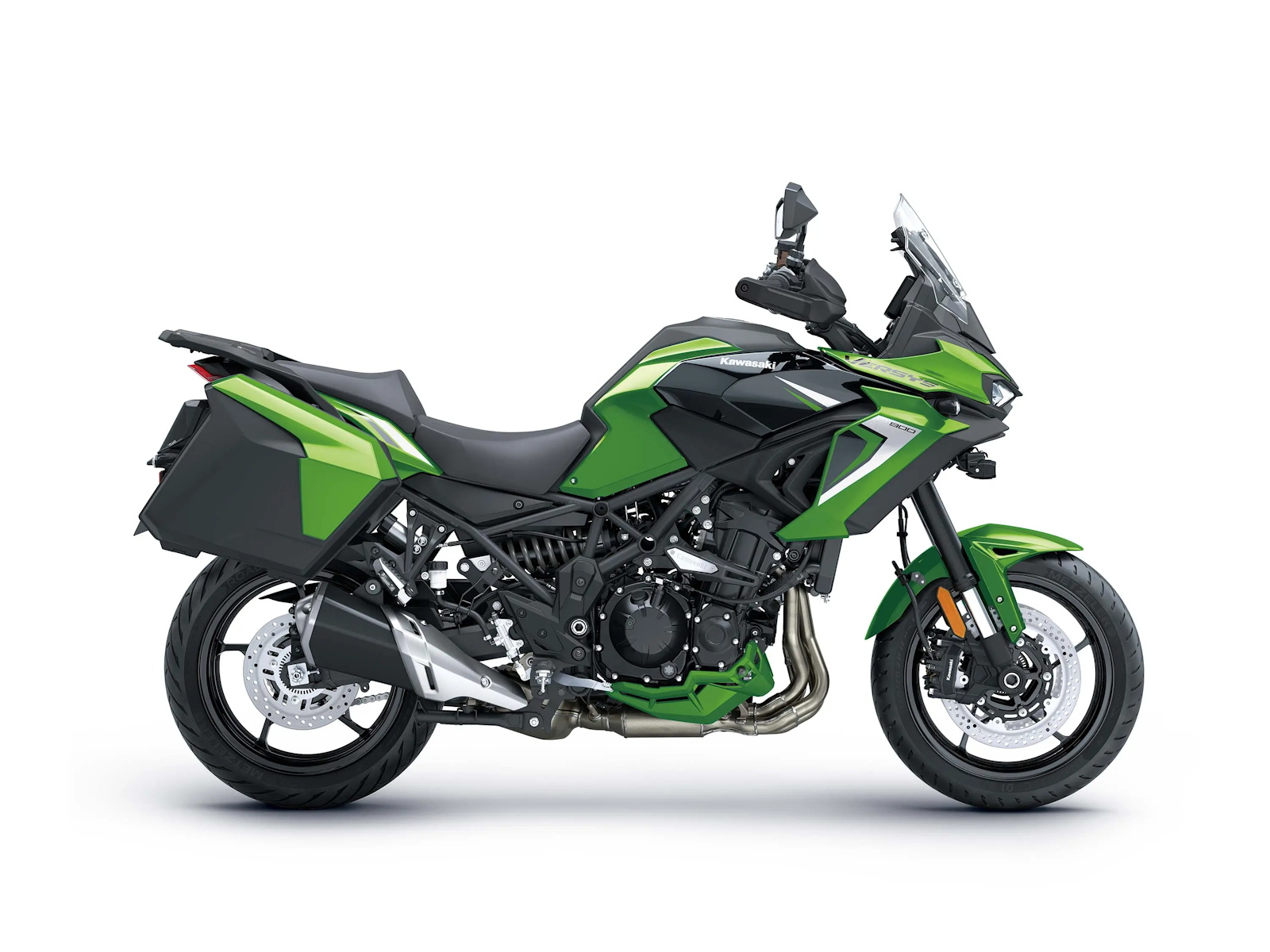
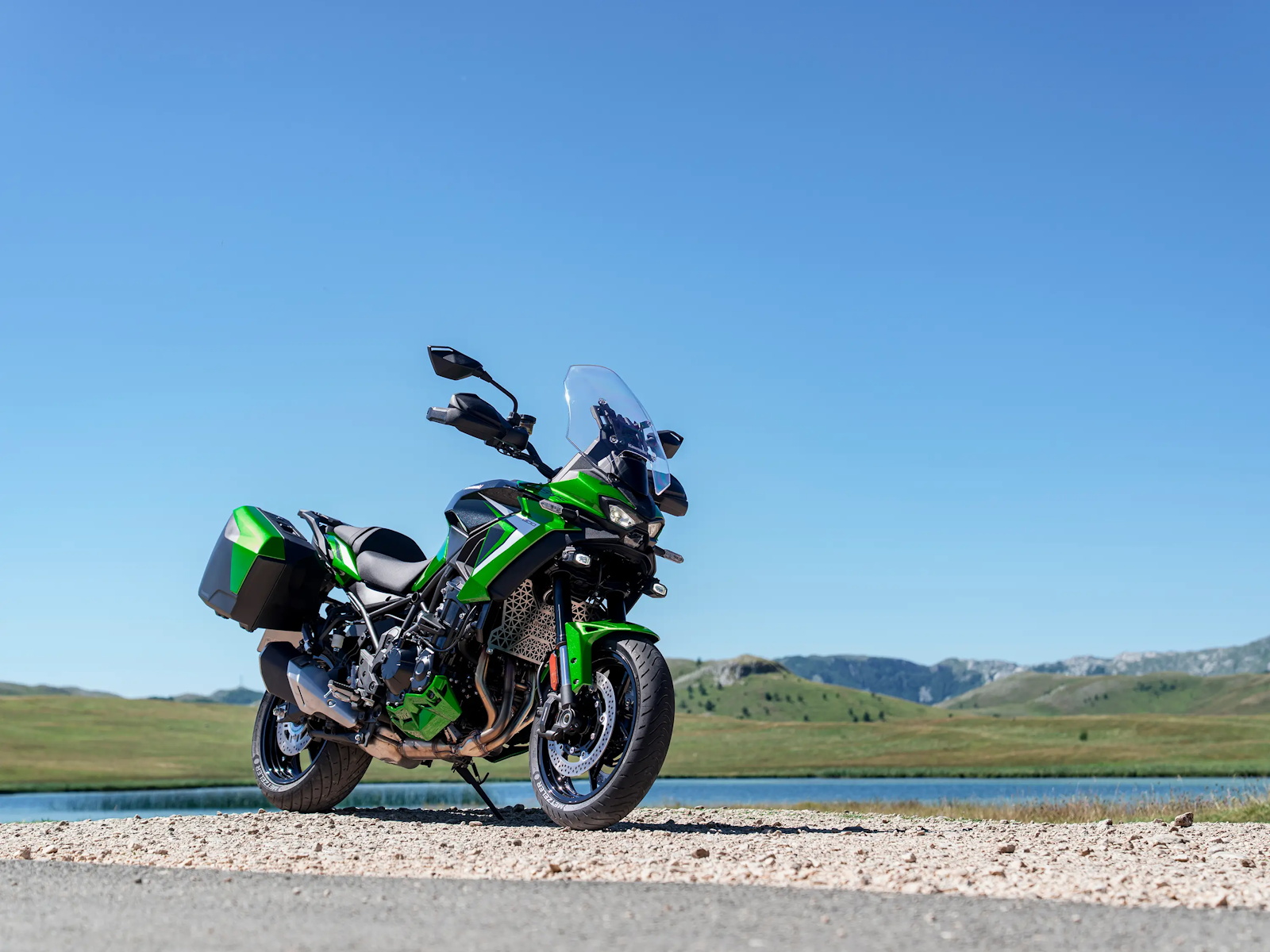
2027 Kawasaki VERSYS 900 SE LT ABS Plasma Lime Green / Metallic Spark Black
Get in Touch
Description
2027 Kawasaki VERSYS 900 SE LT ABS Plasma Lime Green / Metallic Spark Black
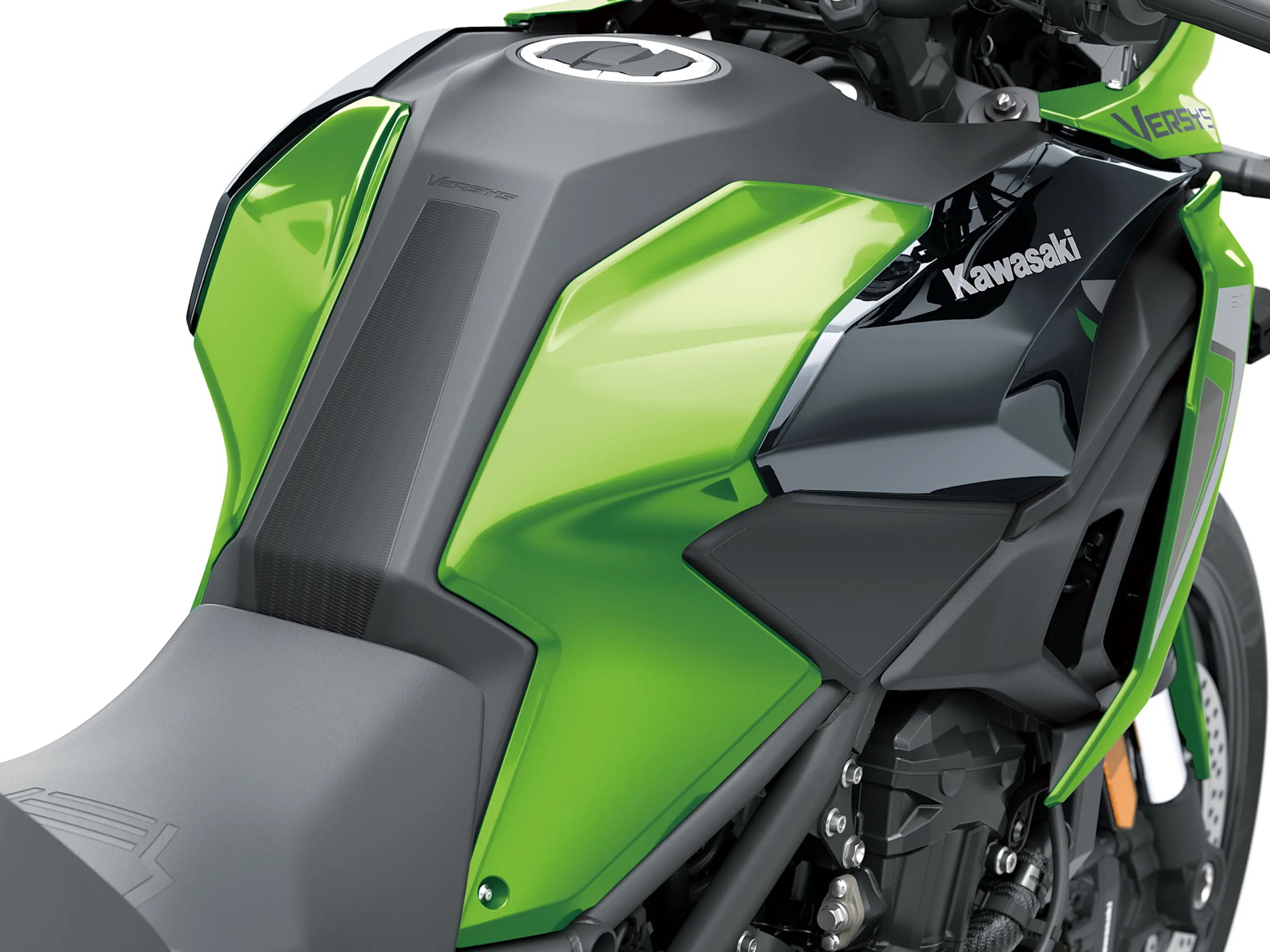
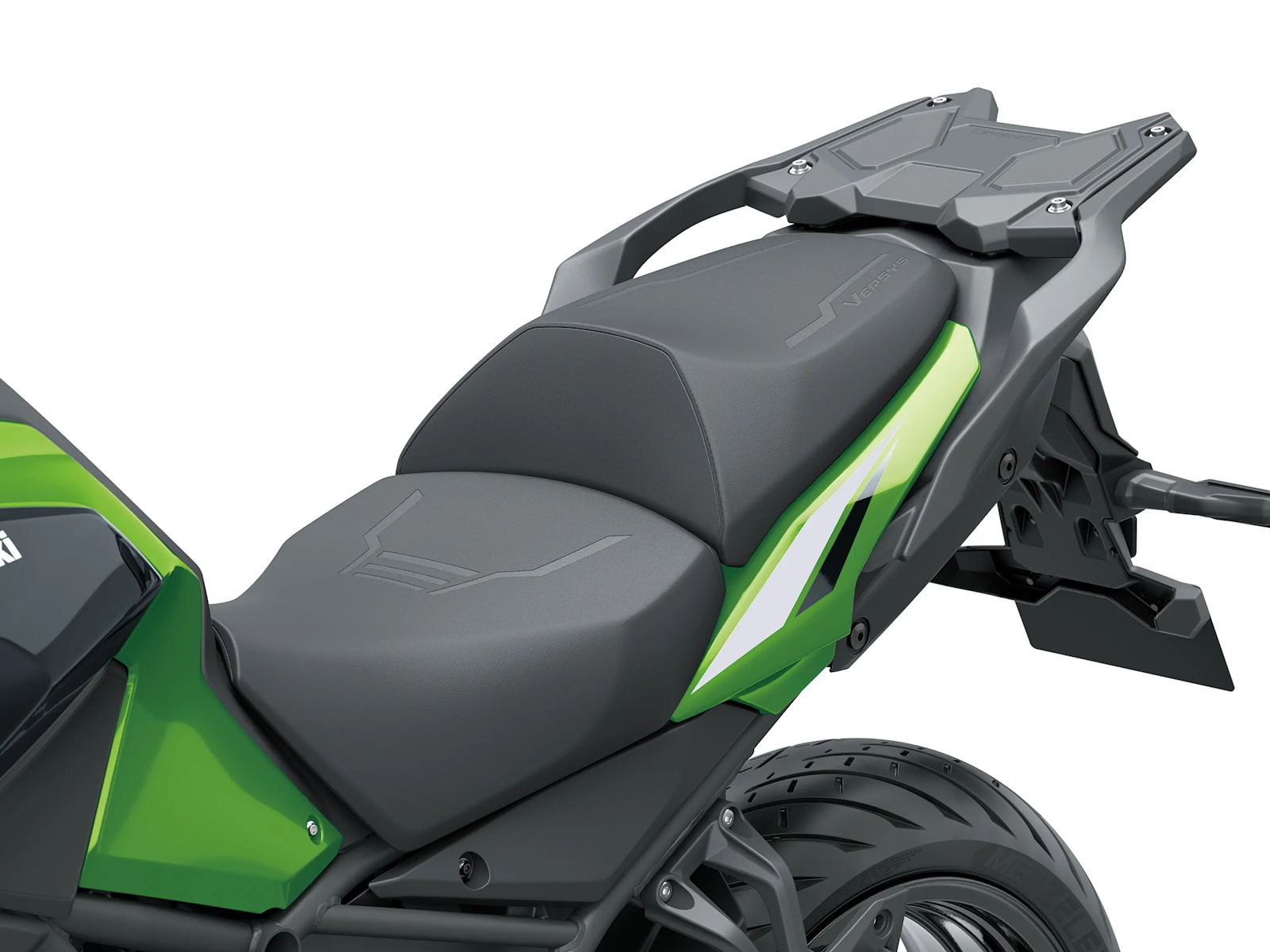
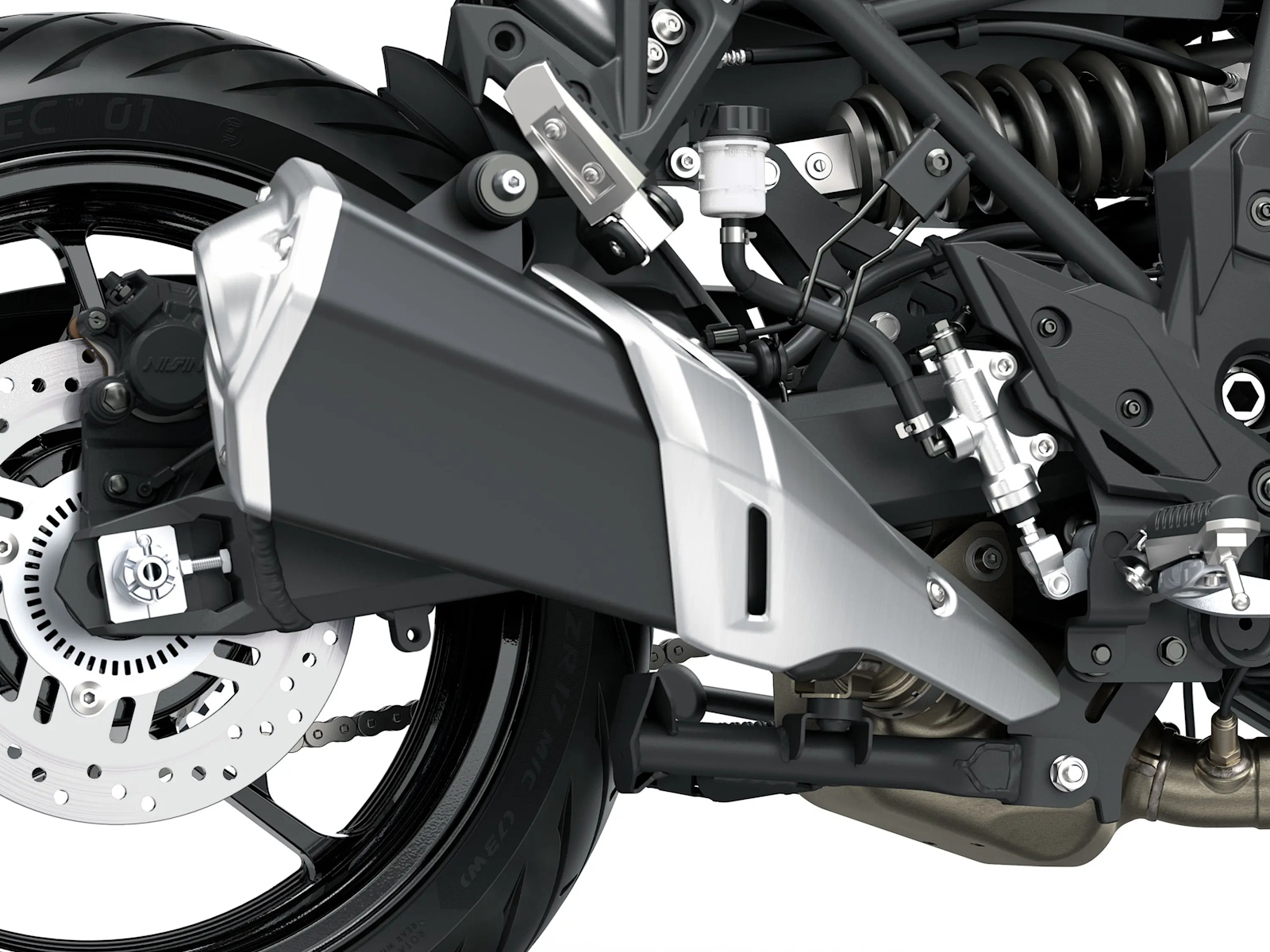
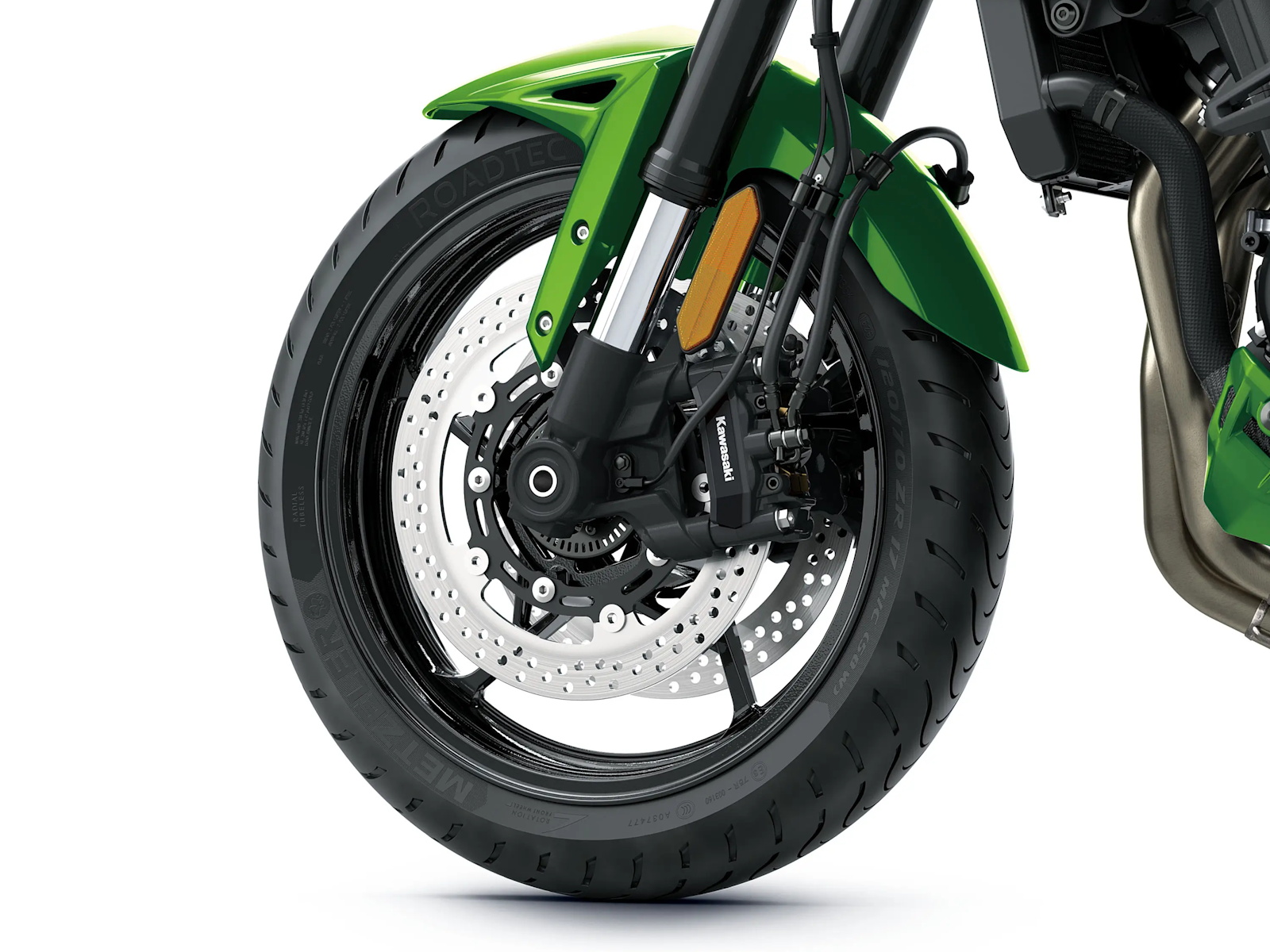
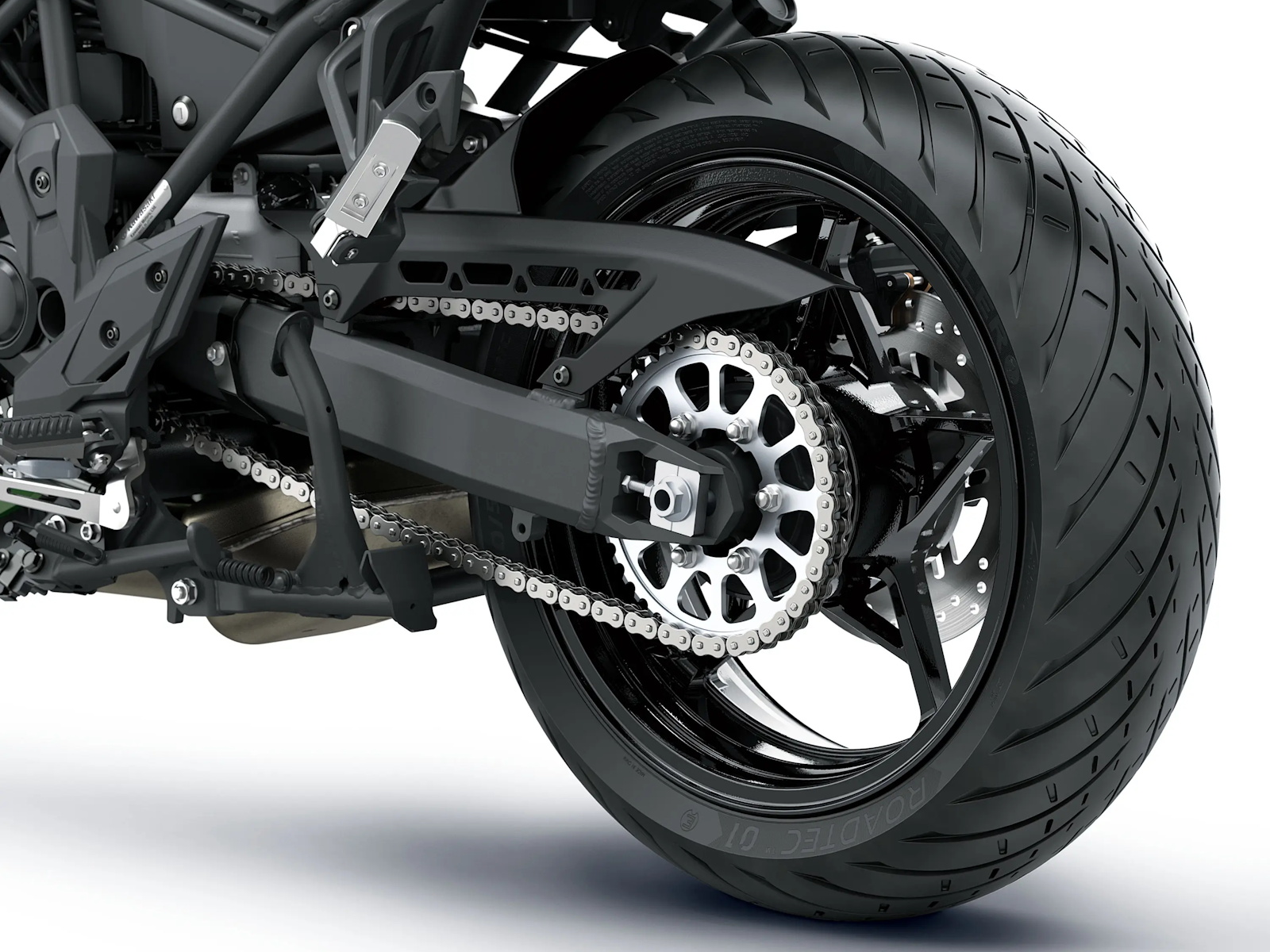
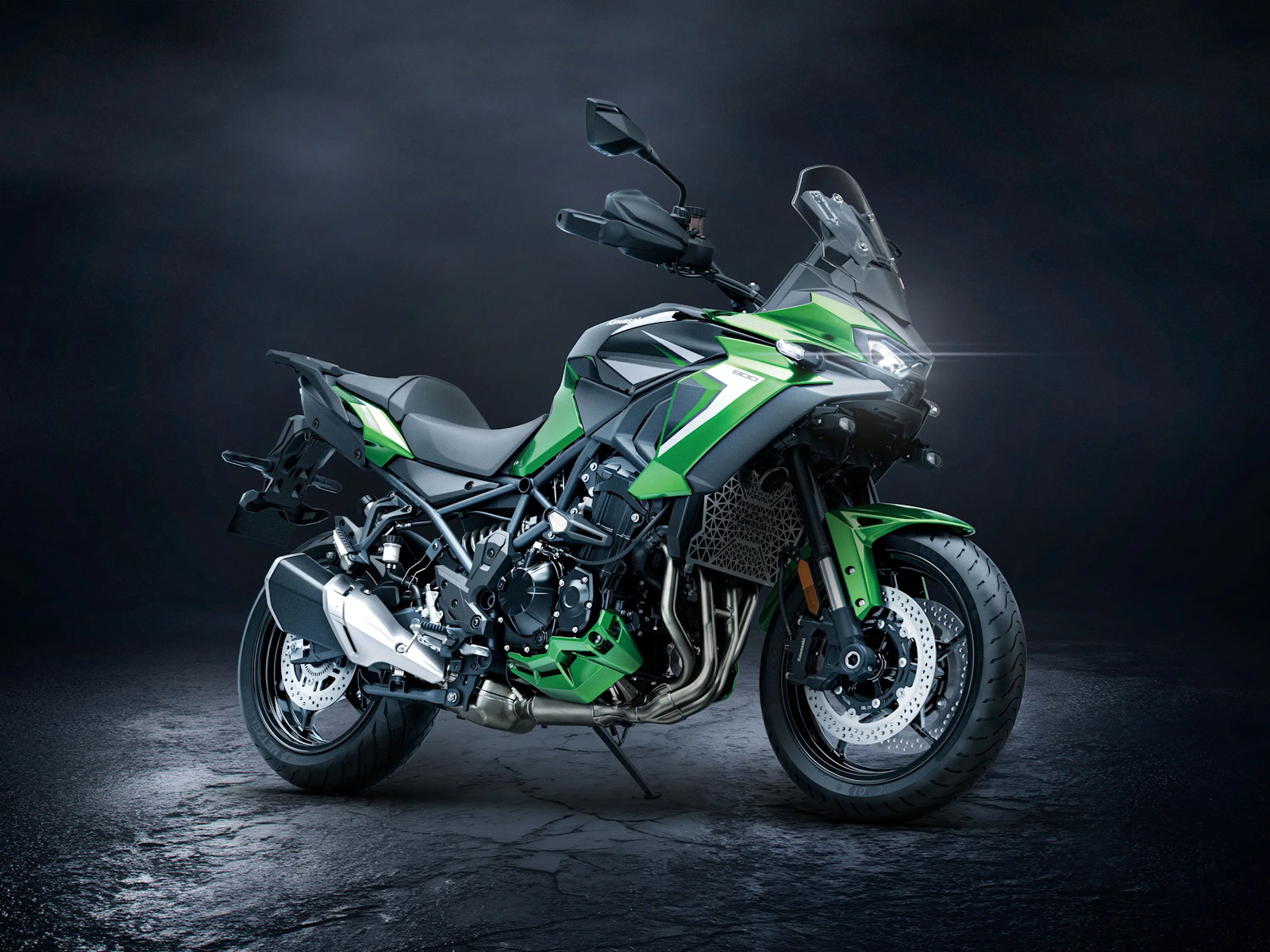
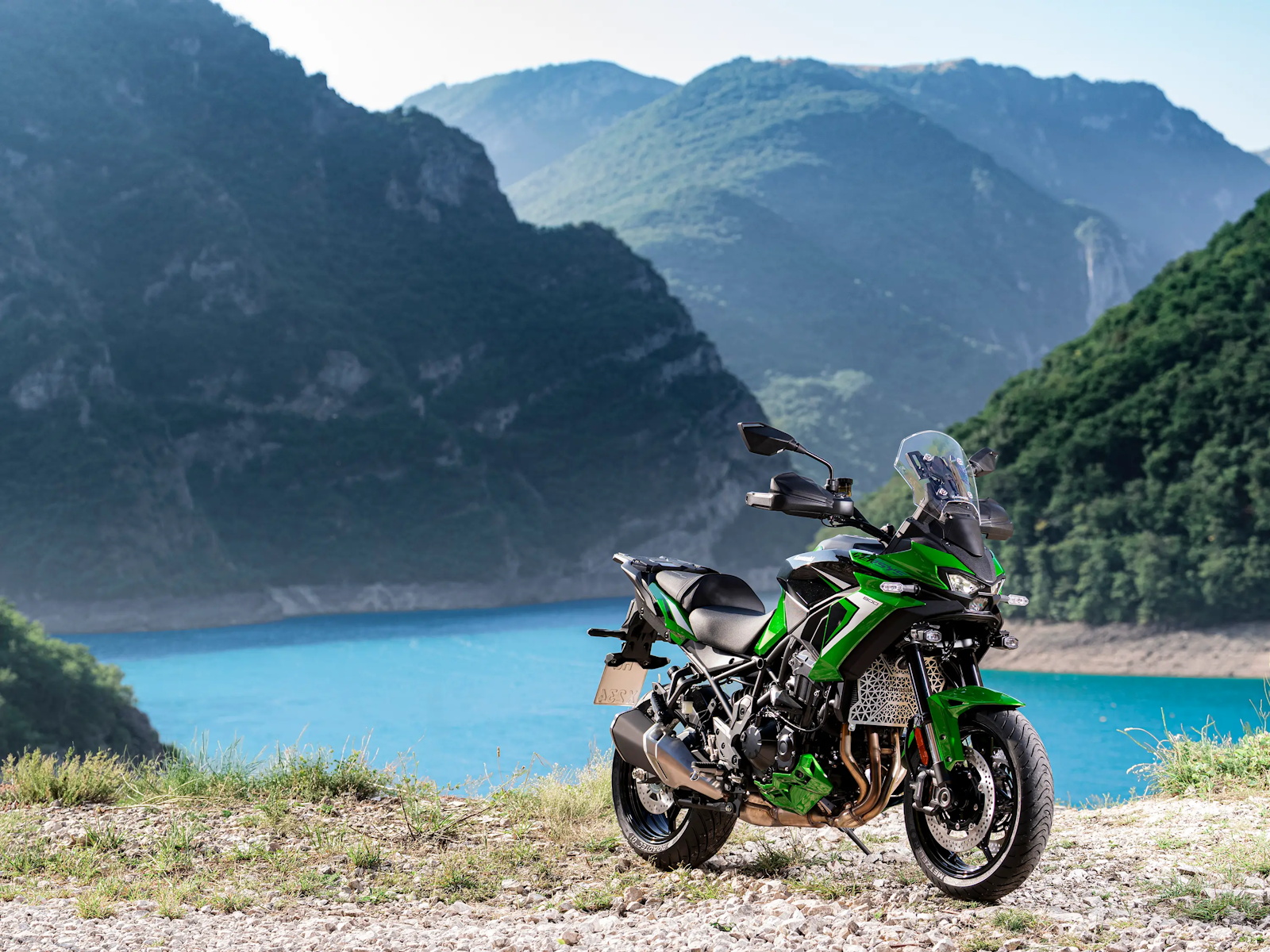
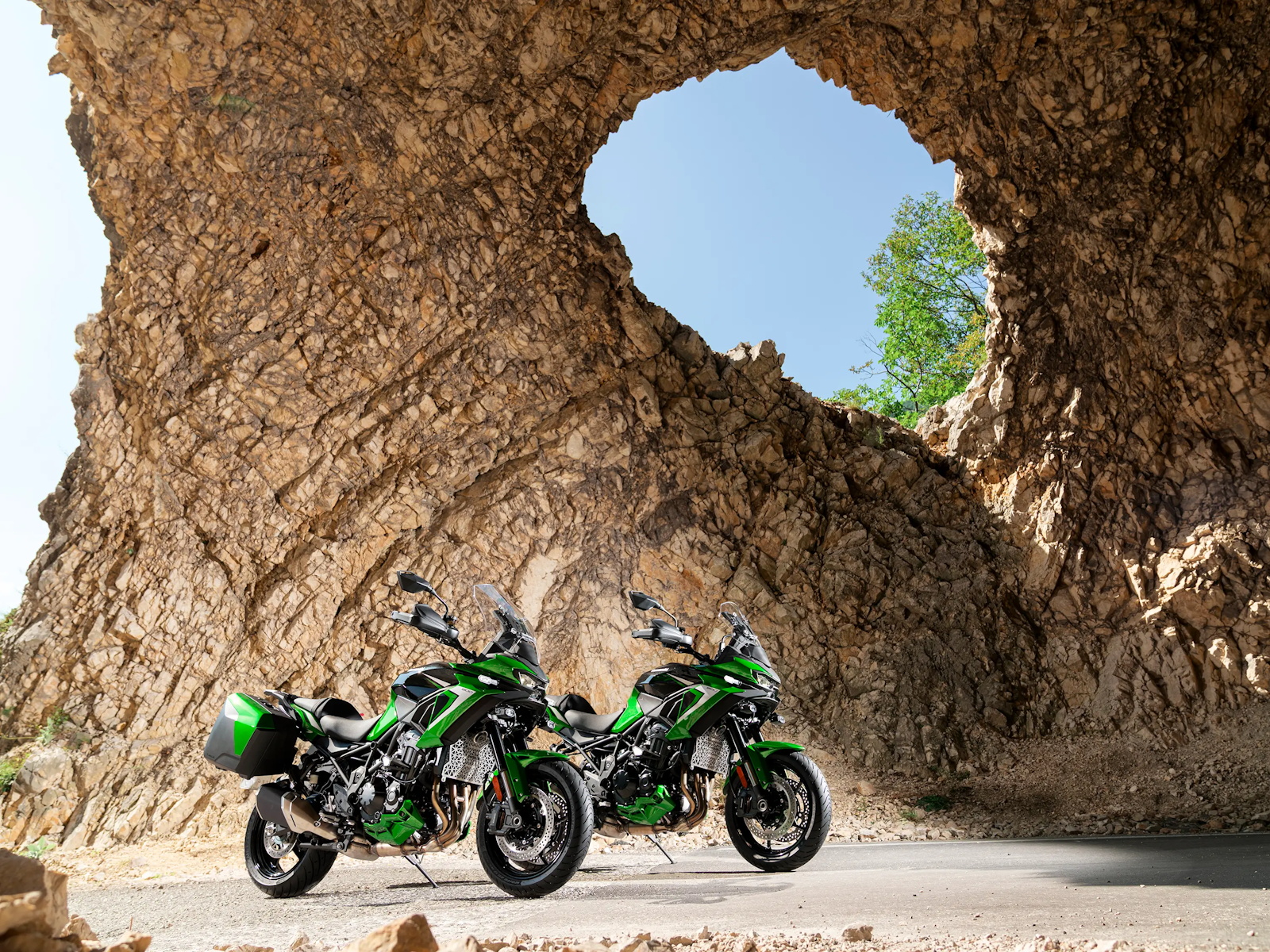
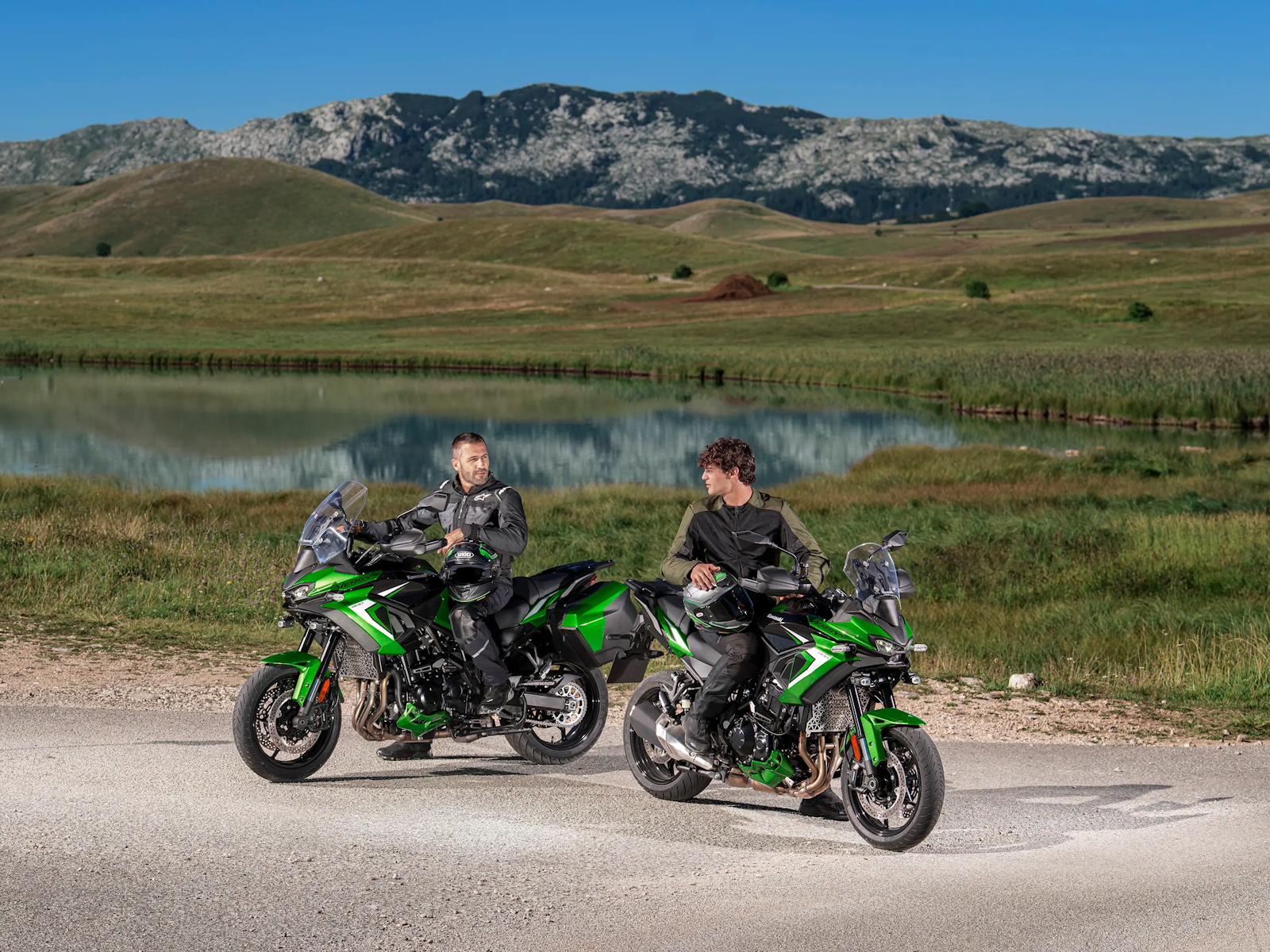
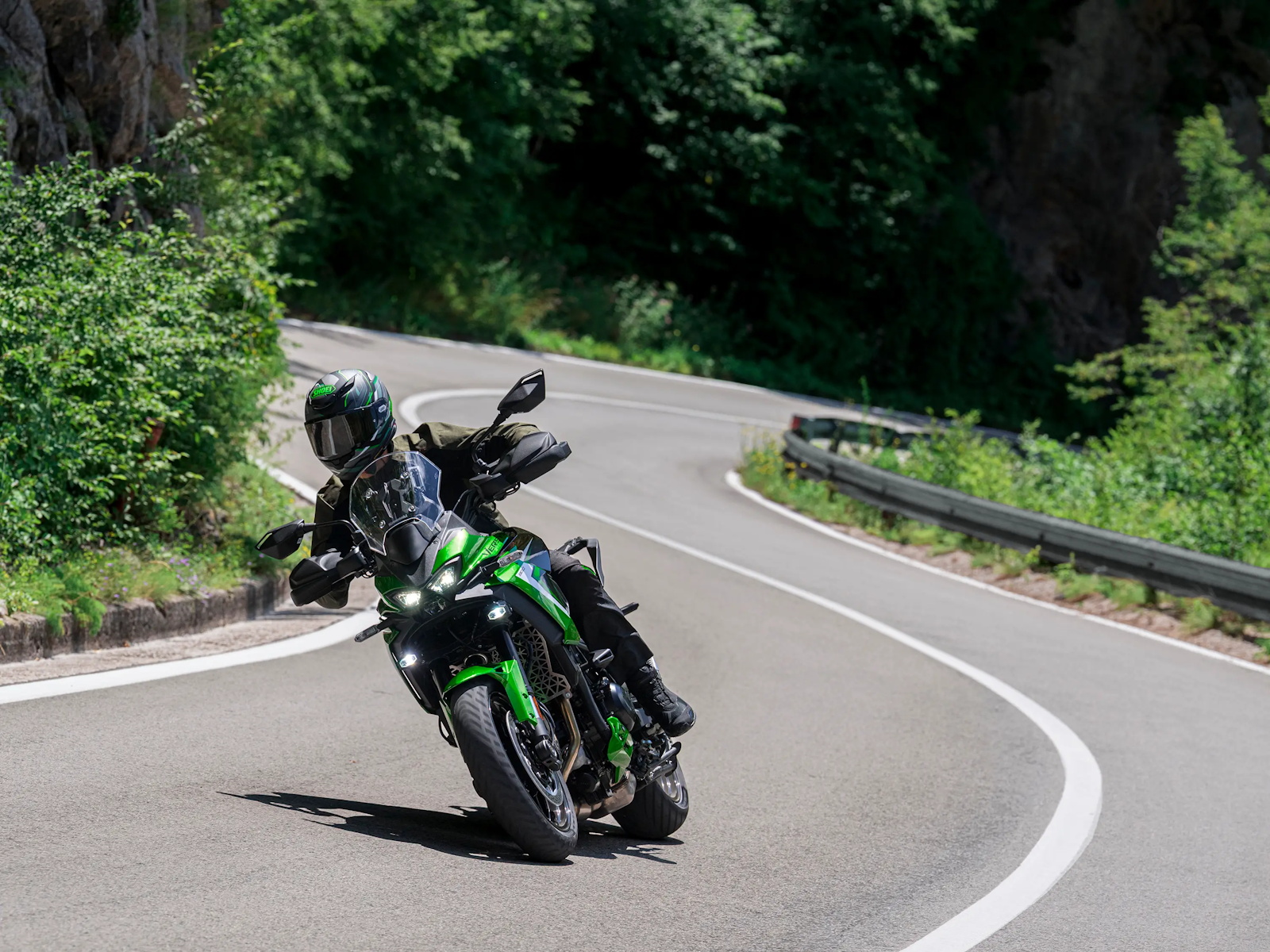
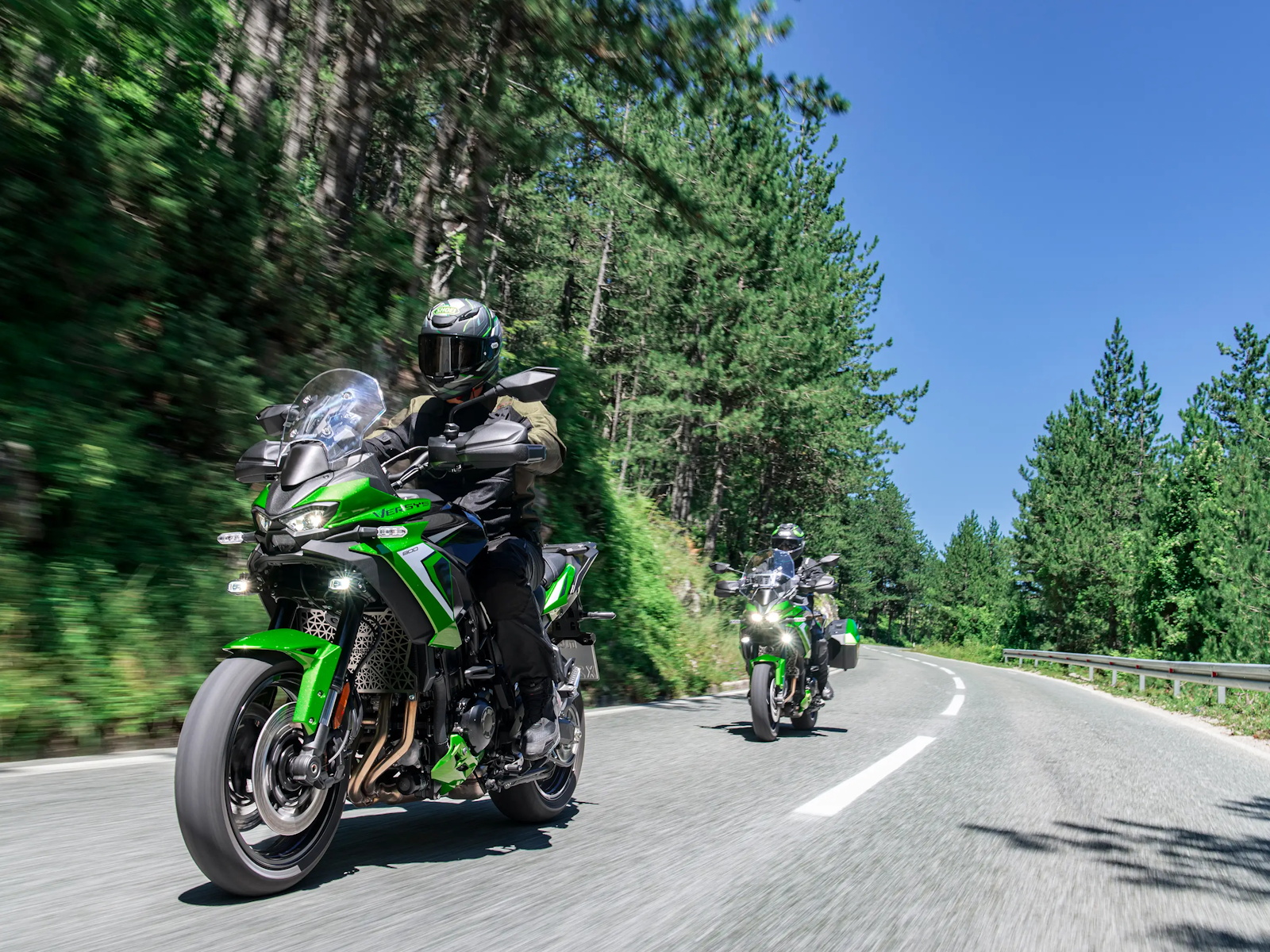
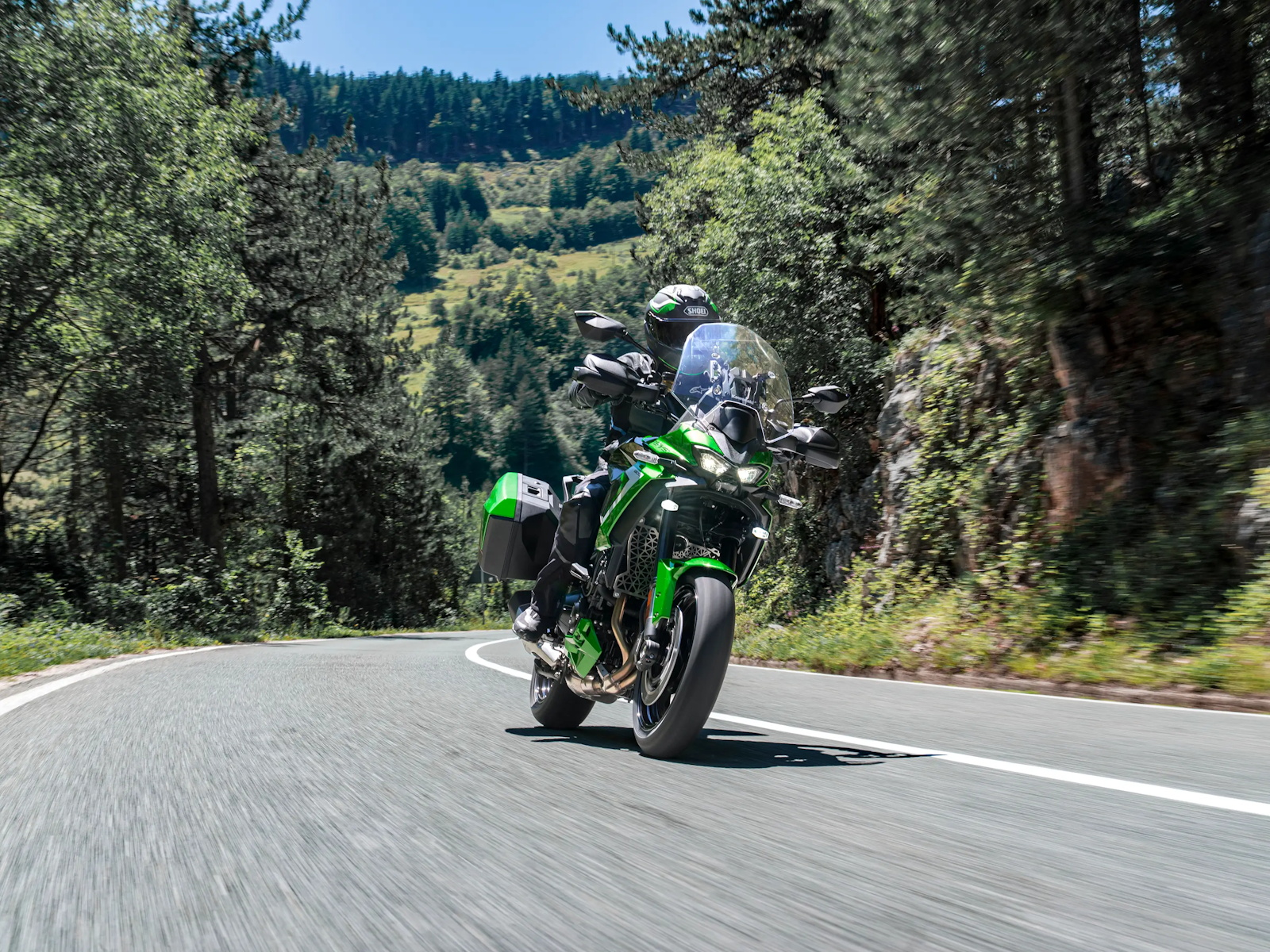
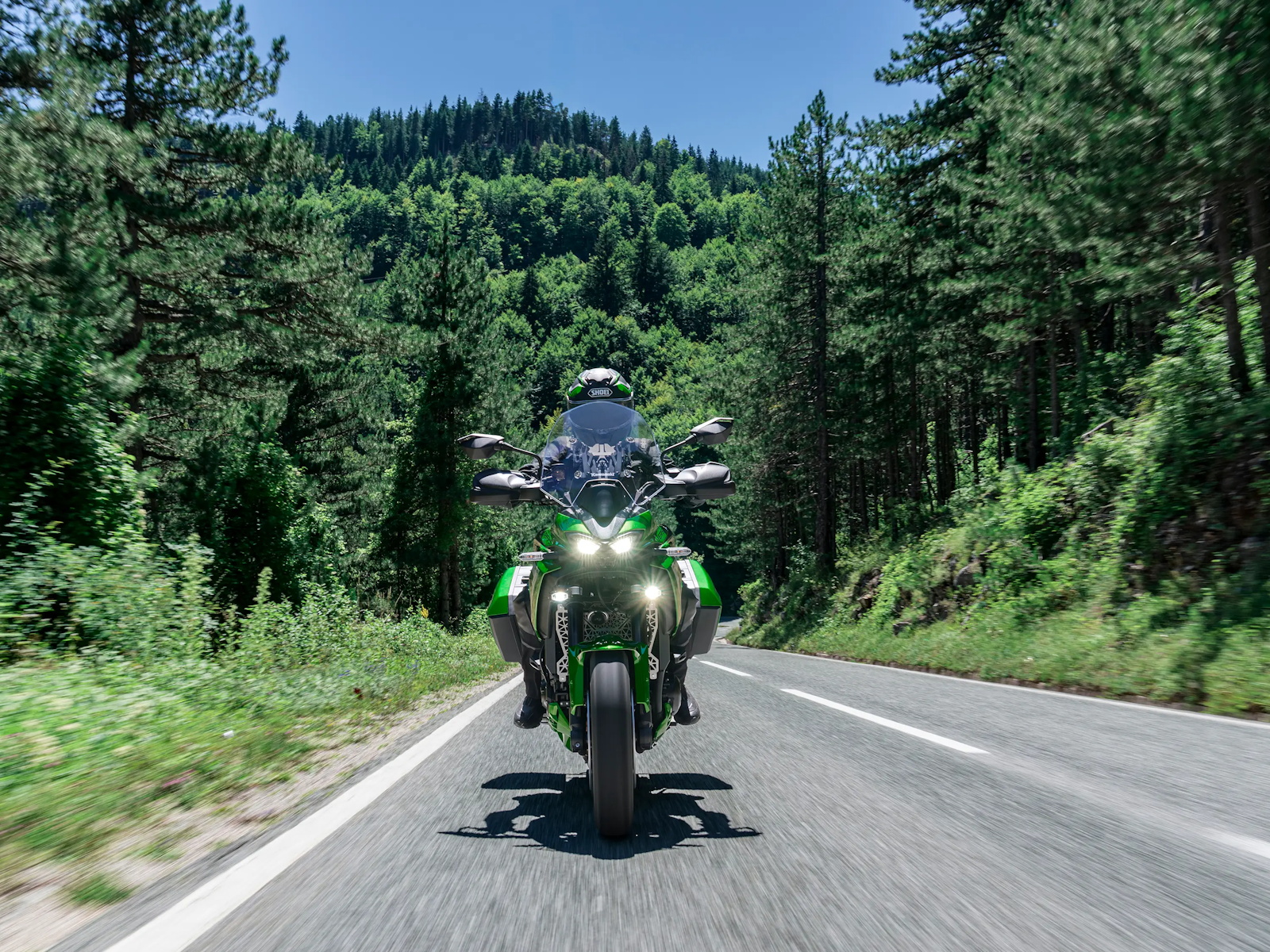
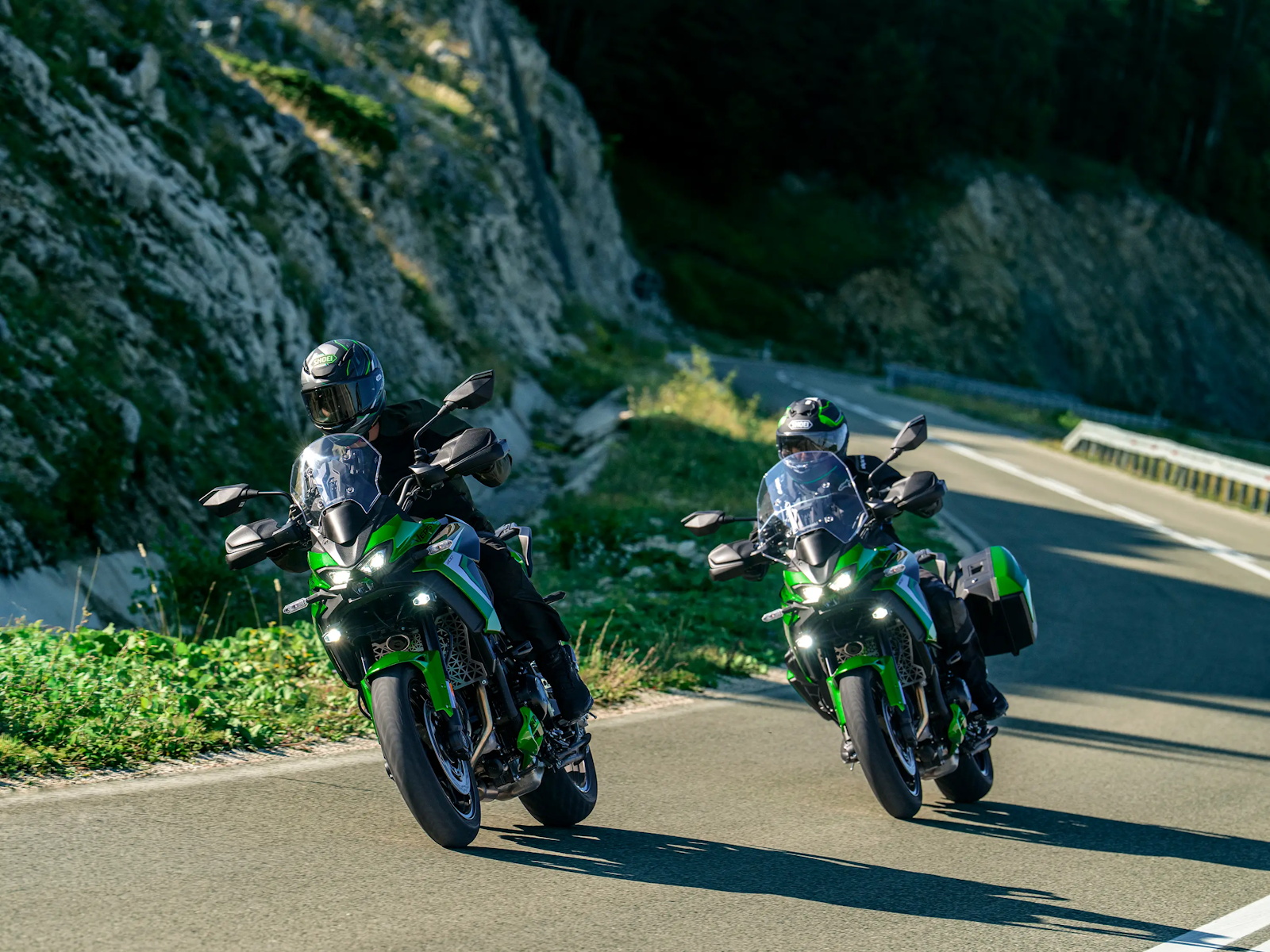
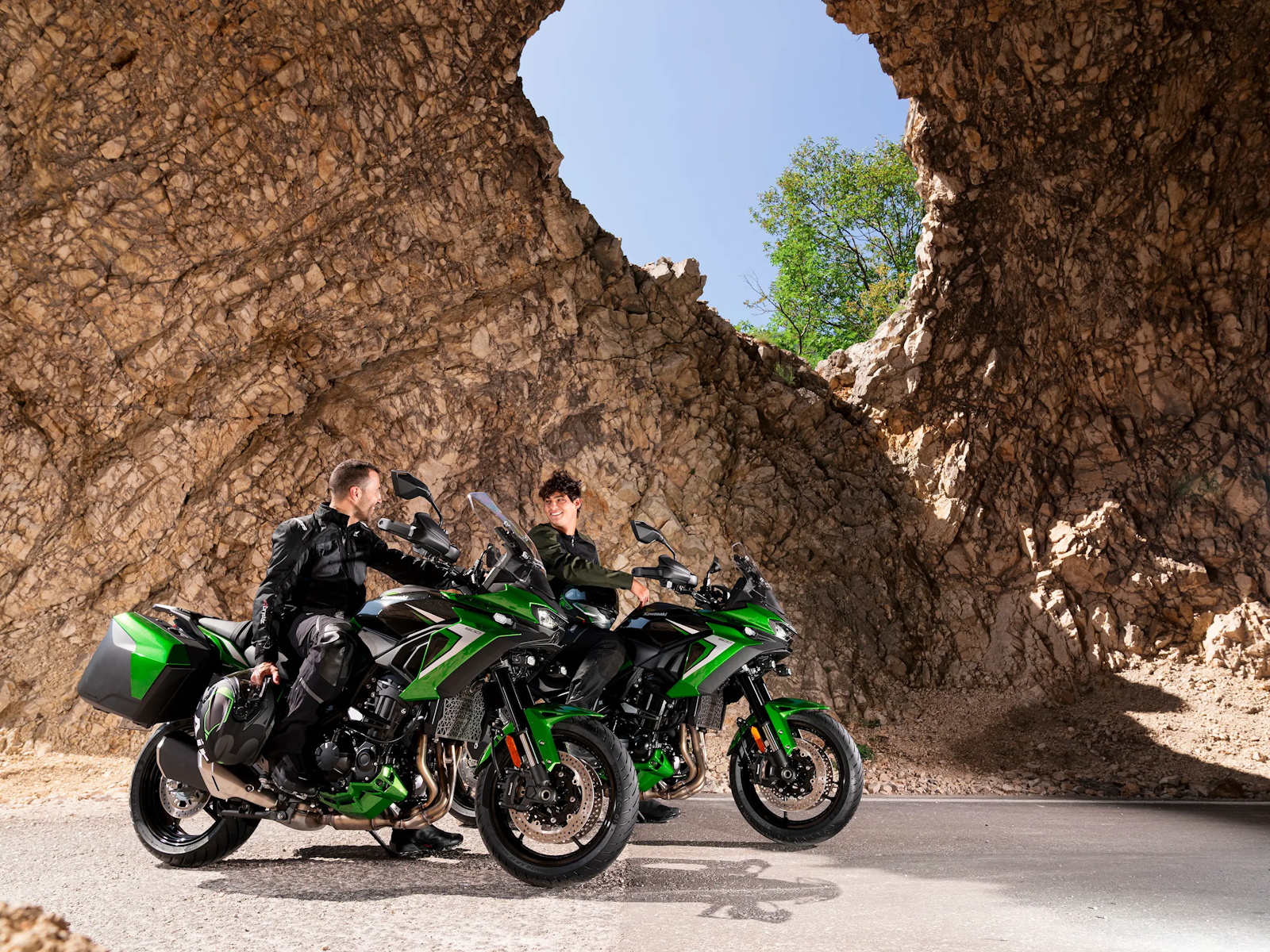
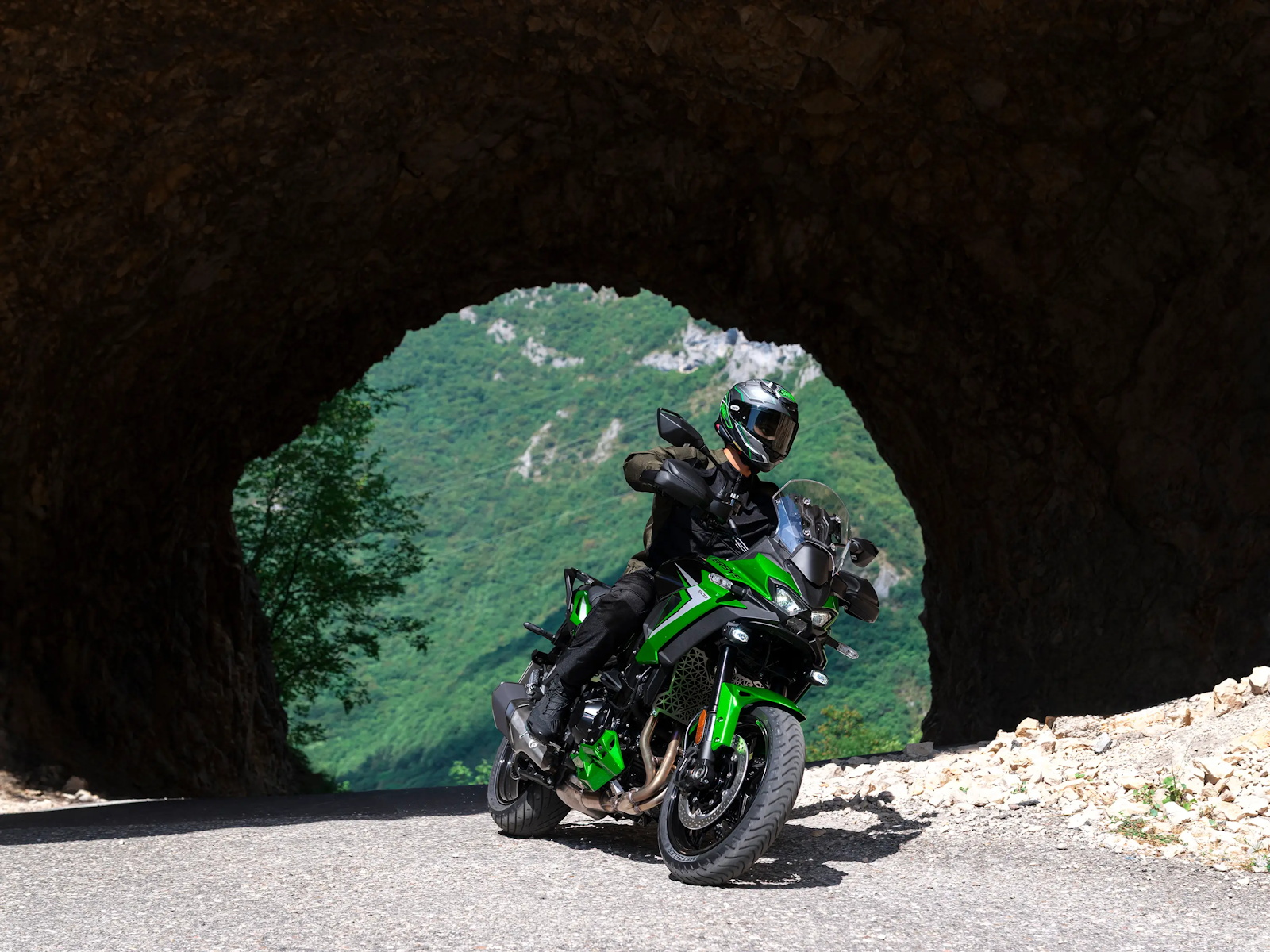
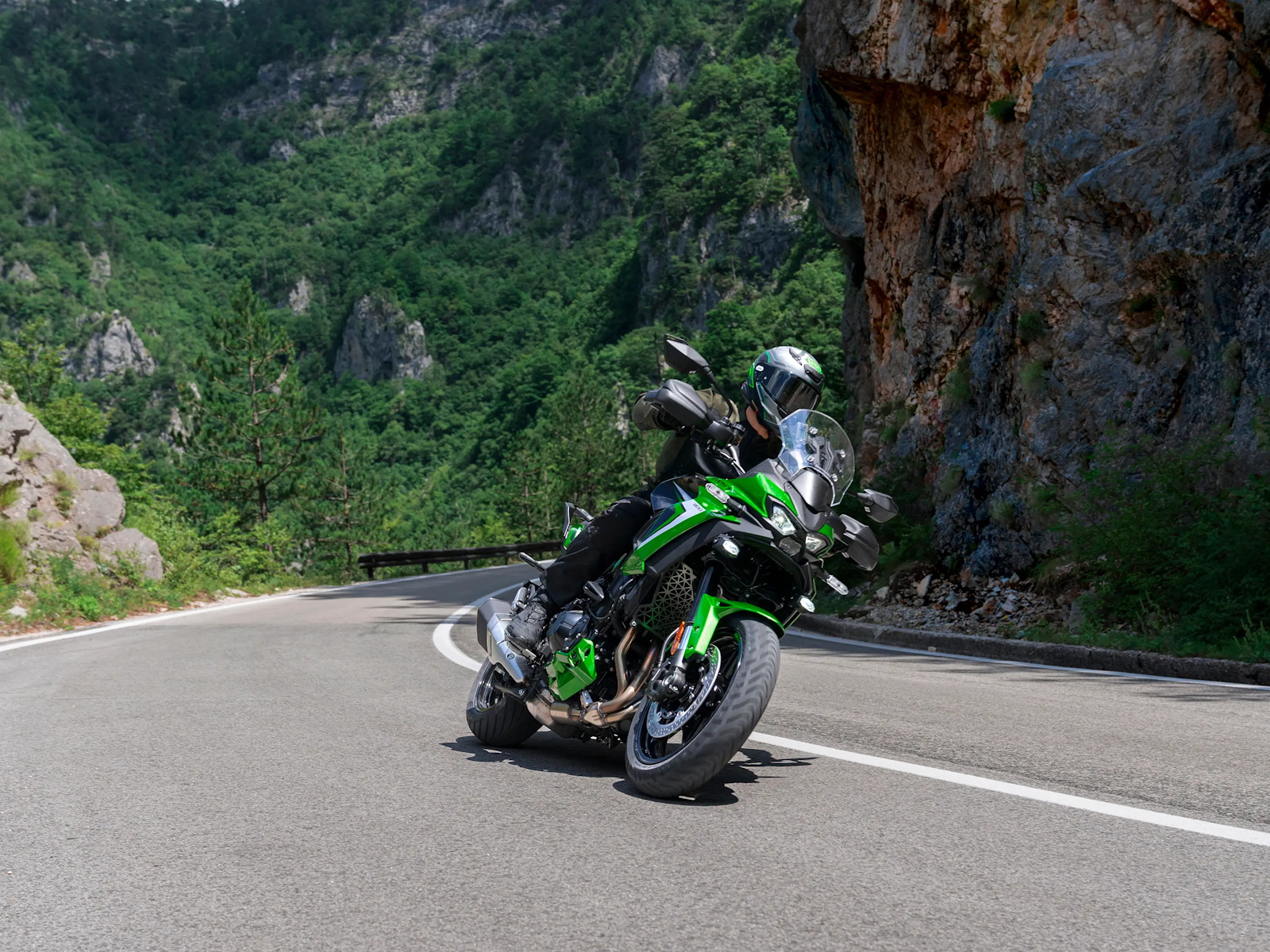
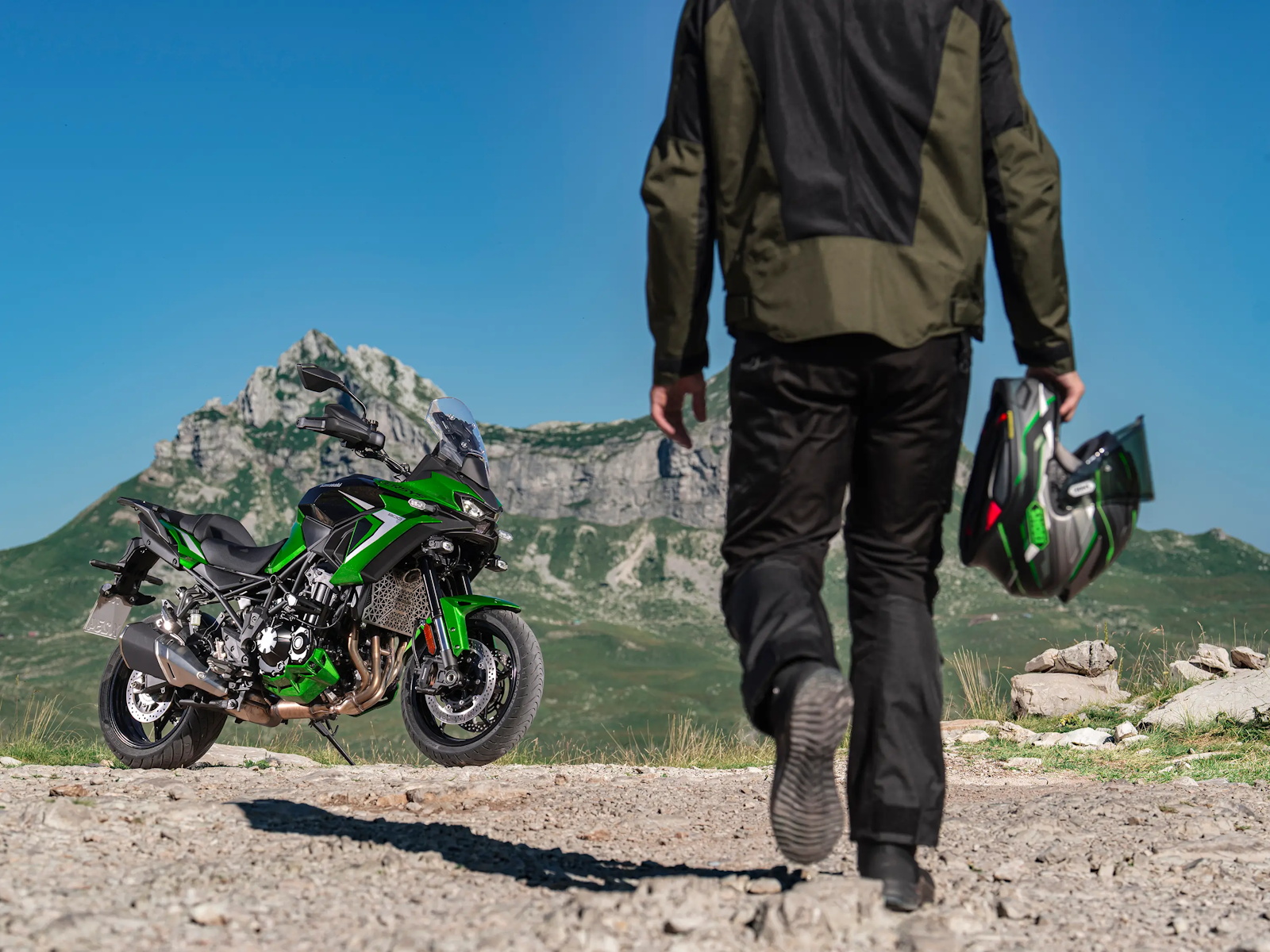
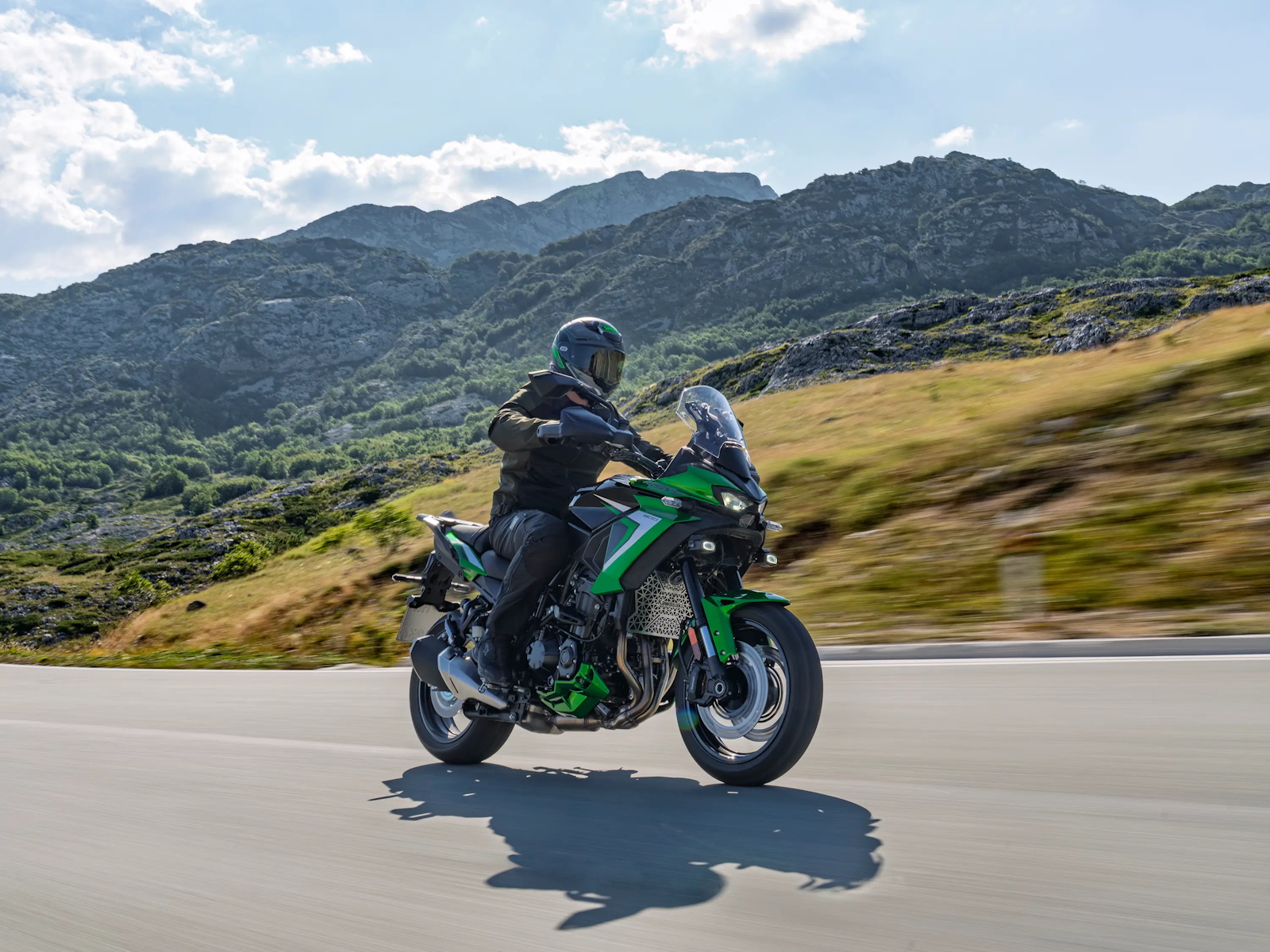
Redefine sport touring with the new VERSYS® 900 SE LT ABS. This sporty travel companion blends multi-purpose versatility with a powerful 948cc in-line 4-cylinder engine, pairing the latest suite of electronic rider aids with modern touring amenities for the ultimate long-distance ride. Get ready to expand your world, take the scenic route, and find your destination in pure adrenaline.
Engine Management Technology
Assist & Slipper Clutch
Based on feedback from racing activities, the Assist & Slipper Clutch uses two types of cams (an assist cam and a slipper cam) to either drive the clutch hub and operating plate together or apart.
Under normal operation, the assist cam functions as a self-servo mechanism, pulling the clutch hub and operating plate together to compress the clutch plates. This allows the total clutch spring load to be reduced, resulting in a lighter clutch lever feel when operating the clutch.
When excessive engine braking occurs - as a result of quick downshifts (or an accidental downshift) - the slipper cam comes into play, forcing the clutch hub and operating plate apart. This relieves pressure on the clutch plates to reduce back-torque and helps prevent the rear tire from hopping and skidding. This race-style function is particularly useful when sport or track riding.
Economical Riding Indicator
Using high-precision electronic control for engine management, Kawasaki models can achieve a high level of fuel efficiency. However, fuel consumption is greatly affected by throttle use, gear selection, and other elements under the rider's control. The Economical Riding Indicator is a function that indicates when current riding conditions are consuming a low amount of fuel. The system continuously monitors fuel consumption, regardless of vehicle speed, engine speed, throttle position and other riding conditions. When fuel consumption is low for a given speed (i.e. fuel efficiency is high), an "ECO" mark appears on the instrument panel. By riding so that the "ECO" mark remains on, fuel consumption can be reduced.
Electronic Throttle Valves
Kawasaki's fully electronic throttle actuation system enables the ECU to control the volume of both the fuel (via fuel injectors) and the air (via throttle valves) delivered to the engine. Ideal fuel injection and throttle valve position results in smooth, natural engine response and the ideal engine output. The system also makes a significant contribution to reduced emissions.
Electronic throttle valves also enable more precise control of electronic engine management systems like S-KTRC and KTRC, and allow the implementation of electronic systems like KLCM, Kawasaki Engine Brake Control, dual-direction KQS, and Electronic Cruise Control.
KCMF (Kawasaki Cornering Management Function)
Using the latest evolution of Kawasaki's advanced modeling software and feedback from a compact IMU (Inertial Measurement Unit) that gives an even clearer real-time picture of chassis orientation, KCMF monitors engine and chassis parameters throughout the corner - from entry, through the apex, to corner exit - modulating brake force and engine power to facilitate smooth transition from acceleration to braking and back again, and to assist riders in tracing their intended Line through the corner. The systems that KCMF oversees vary by model, but may include:
- S-KTRC/KTRC (including traction management and wheel lift management)
- KLCM (including traction management and wheel lift management) - Designed to optimize acceleration from a stop
- KIBS (including pitching management and corner braking management)
- Kawasaki Engine Brake Control
KTRC (Kawasaki Traction Control)
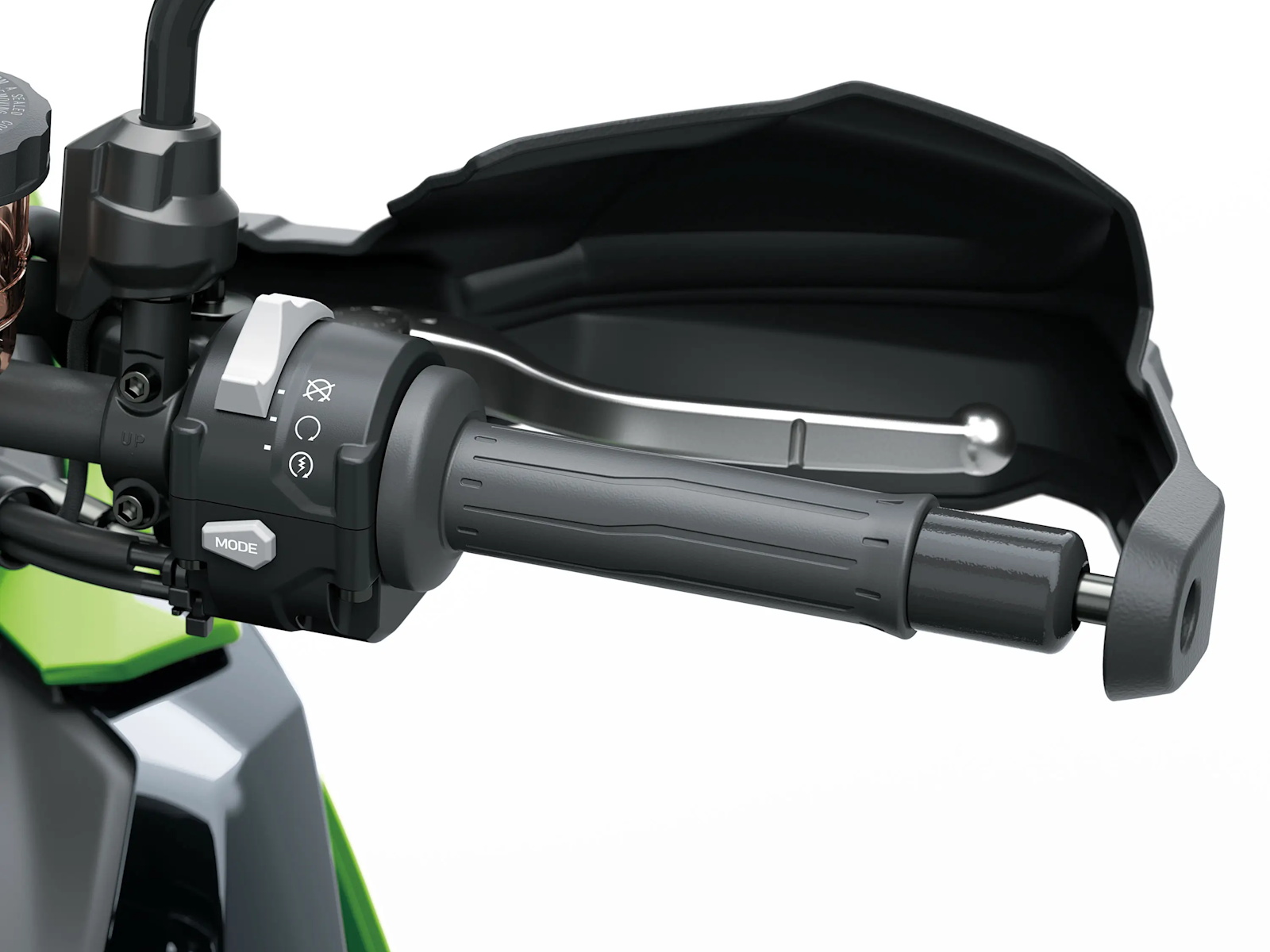
KTRC, Kawasaki's advanced traction control system provides both enhanced sport riding performance and the confidence to negotiate low-traction surfaces. Multiple rider-selectable modes (the number of modes varies by model) offer progressively greater levels of intrusion to suit the riding situation and rider preference.
Less intrusive modes maintain optimum traction during cornering. Designed with sport riding in mind, they facilitate acceleration out of corners by maximising forward drive from the rear wheel. And because Kawasaki's sophisticated software bases its dynamic analysis on the chassis' orientation relative to the track surface (rather than relative to a horizontal plane), it is able to take into account corner camber, gradient, etc, and adapt accordingly.
In the more intrusive modes (and for some models, in any mode), when excessive wheel spin is detected, engine output is reduced to allow grip to be regained, effectively enabling riders to negotiate both short, challenging patches (train tracks or manhole covers) and extended stretches of low-traction conditions (wet pavement, cobblestone, gravel) with confidence.
Some models equipped with IMU incorporate chassis-orientation feedback to offer even more precise management.
For off-road models, KTRC facilitates acceleration out of corners by mitigating excessive rear wheel spin in low-traction conditions. Multiple modes allow riders to set the level of traction control to suit preference or course conditions.
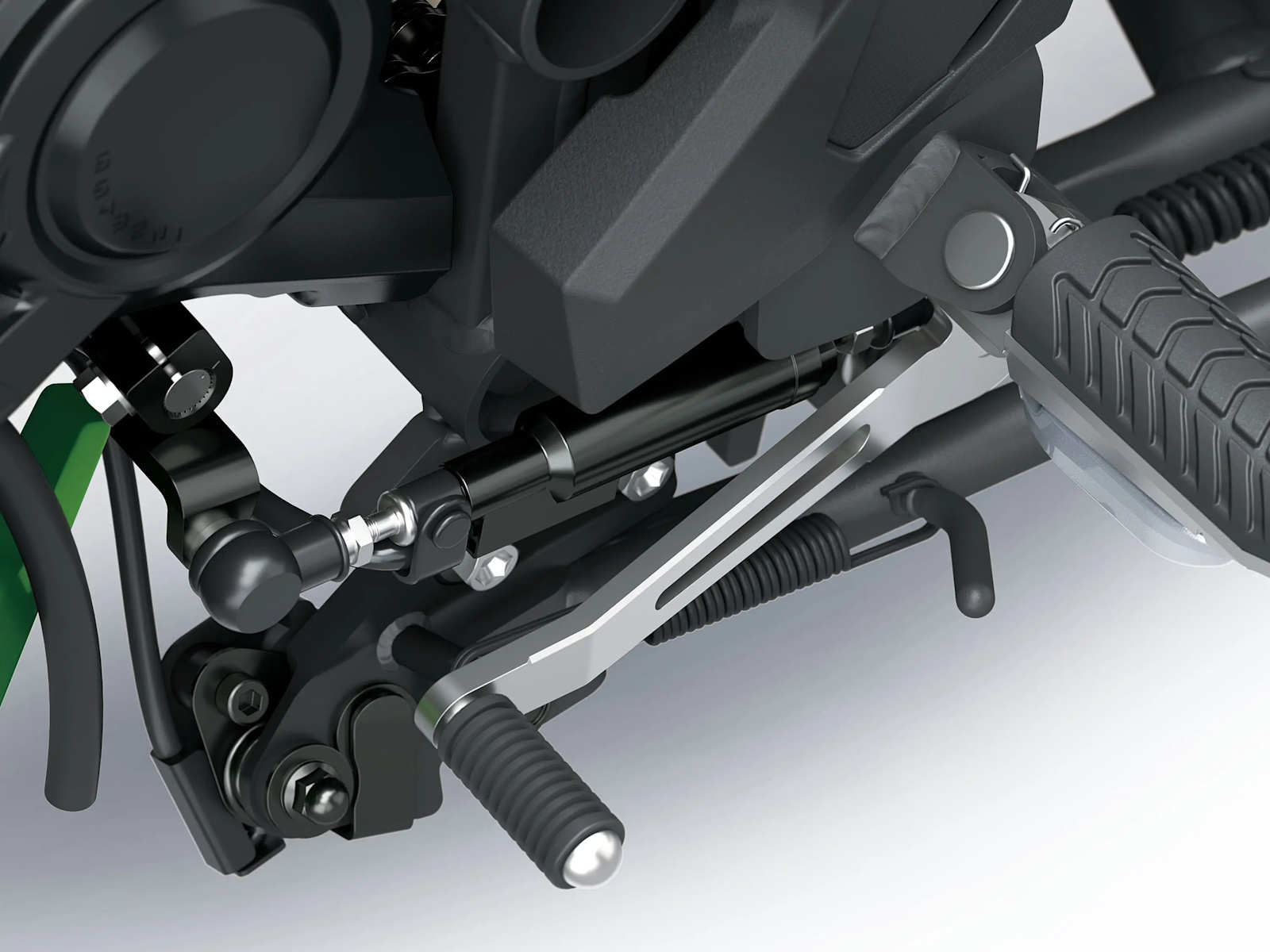
KQS (Kawasaki Quick Shifter)
Designed to help riders maximize their acceleration on the track by enabling clutchless upshifts with the throttle fully open, KQS detects that the shift lever has been actuated and sends a signal to the ECU to cut ignition so that the next gear can be engaged without having to use the clutch. On models that offer clutchless downshifts, during deceleration the system automatically controls engine speed so that the next lower gear can be selected without operating the clutch.
Power Modes
Models equipped with multiple Power Modes offer riders an easily selectable choice of engine power delivery to suit riding conditions or preference. The number of modes vary by model, as do the types of modes available. Some modes limit maximum power, while others offer milder (or sharper) throttle response. Other modes cater to specific riding or driving situations.
Rideology the App Motorcycle
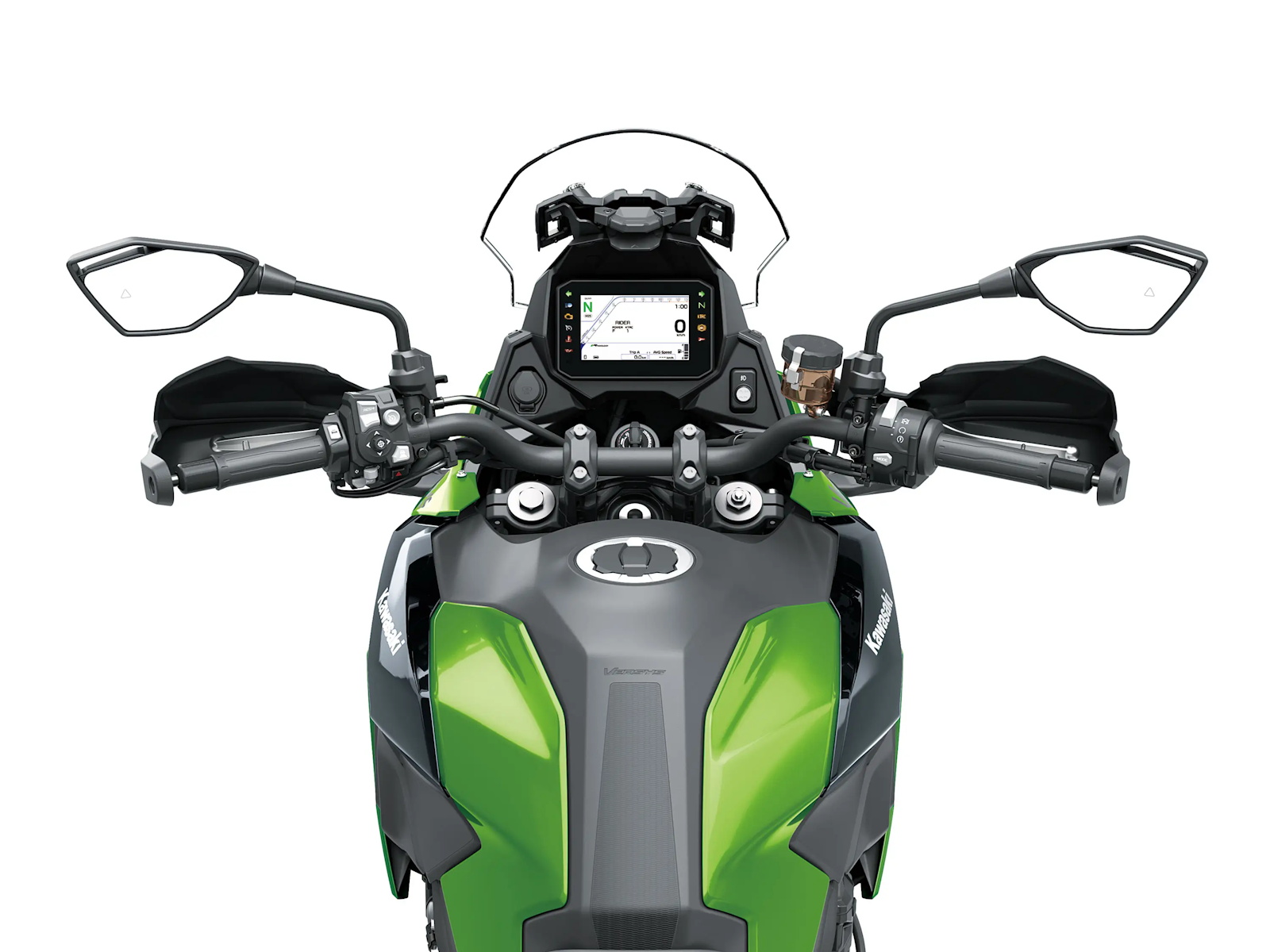
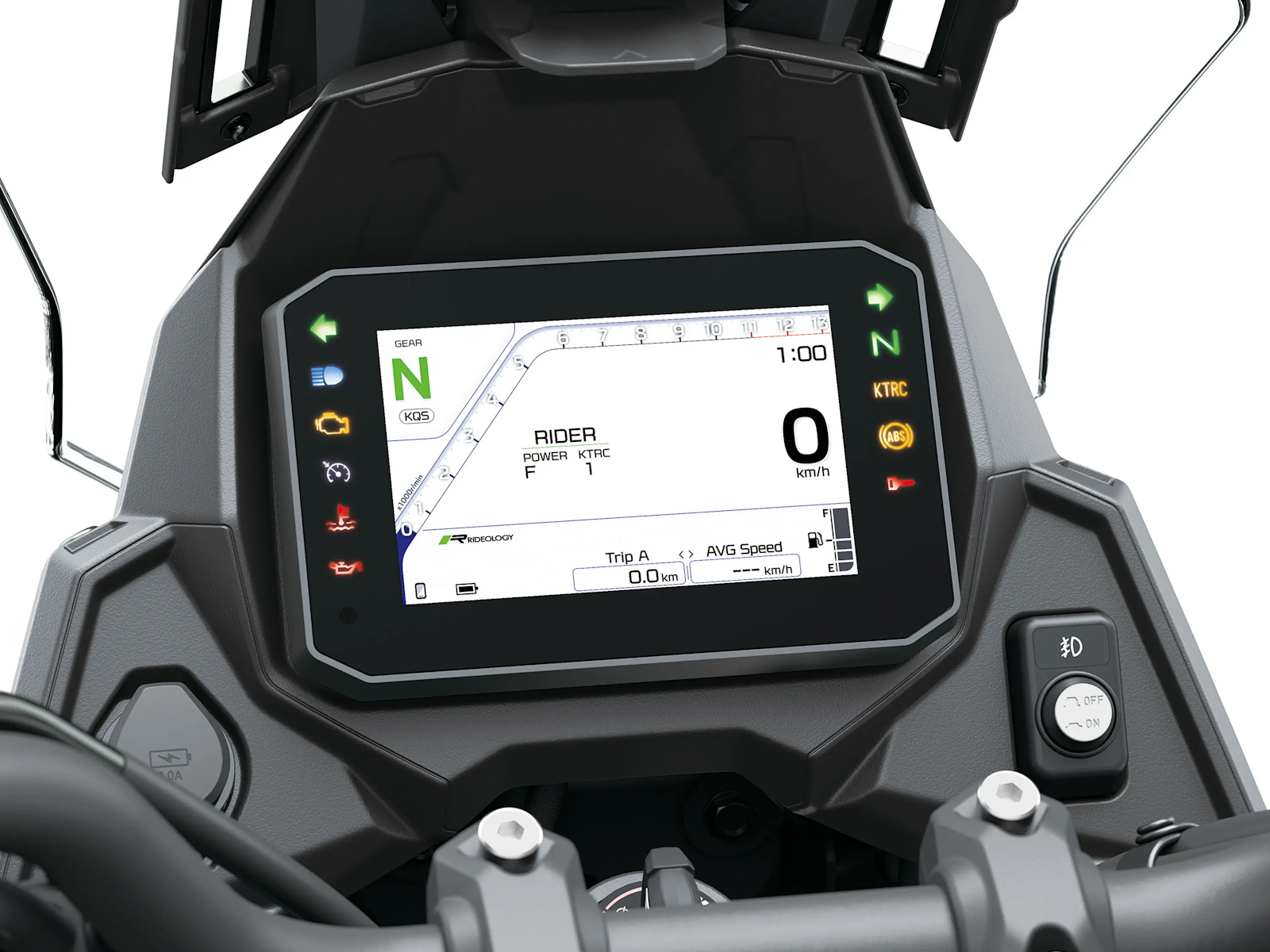
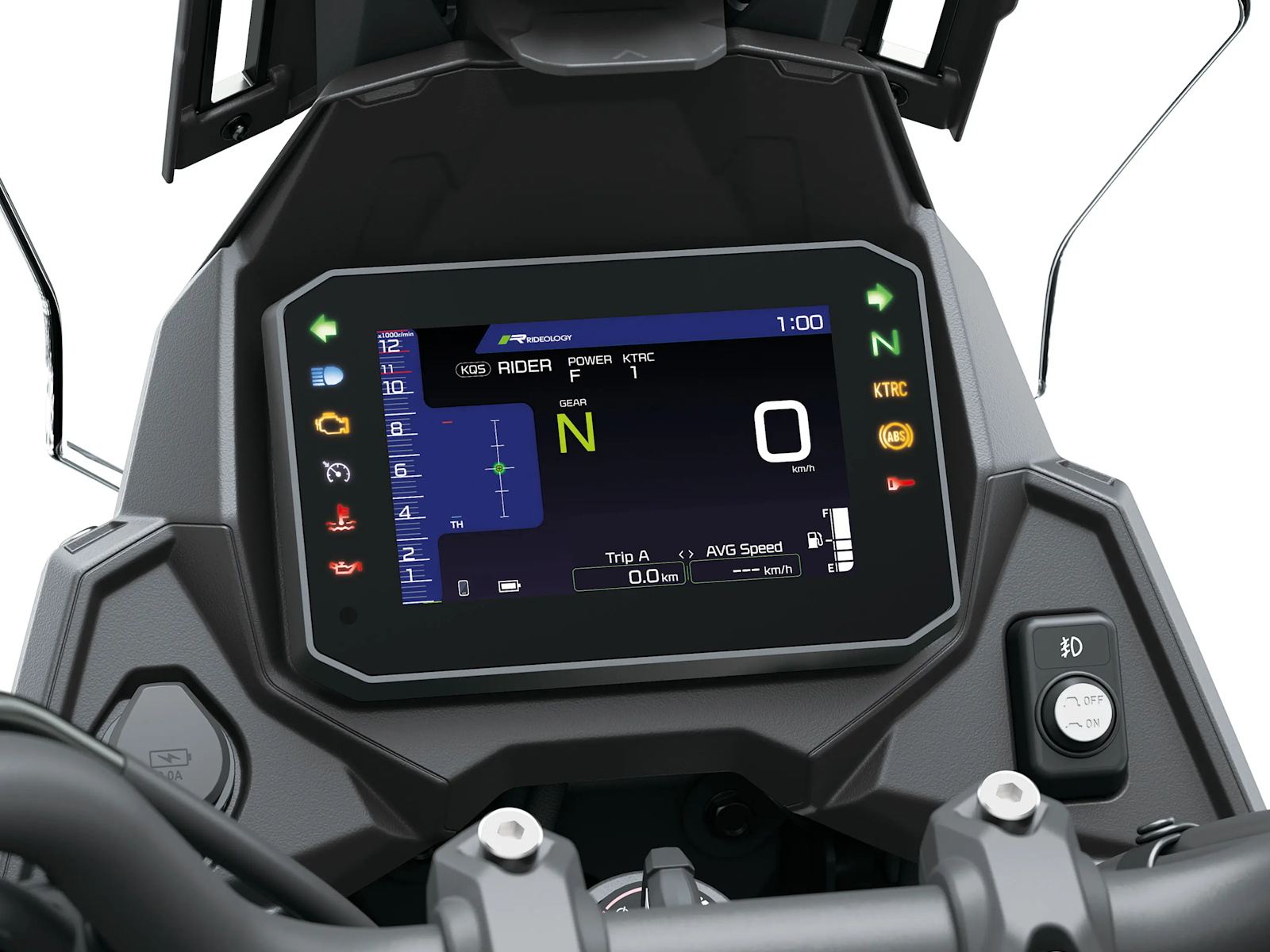
Clever technology enables riders to connect to their motorcycle wirelessly. Using the smartphone application "RIDEOLOGY THE APP MOTORCYCLE," a number of instrument functions can be accessed, contributing to an enhanced motorcycling experience. Vehicle information (such as the odometer, fuel gauge, maintenance schedule, etc.) can be viewed on the smartphone. Riding logs (varies by model, but may include GPS route, gear position, rpm, and other information) can be viewed on the smartphone. When connected, telephone (call, mail) notices are displayed on the instrument panel. Riders can also make changes to their motorcycle's instrument display settings (preferred units, clock and date setting, etc.) via the smartphone. And on
certain models, it is even possible to check and adjust vehicle settings (such as Rider Mode, electronic rider support features, and payload settings) using the smartphone. Smartphone connectivity with voice command is available.
Smartphone Connectivity
Originally offered on Kawasaki's on-road motorcycles, clever technology enables riders to connect to their motorcycle wirelessly. Using the smartphone application "RIDEOLOGY THE APP MOTORCYCLE," a number of instrument functions can be accessed, contributing to an enhanced motorcycling experience. Vehicle information (such as the odometer, fuel gauge, maintenance schedule, etc) can be viewed on the smartphone. Riding logs (varies by model, but may include GPS route, gear position, rpm, and other information) can be viewed on the smartphone and shared with other app users. When connected, telephone (call, mail) notices are displayed on the instrument panel. Riders can also make changes to their motorcycle's instrument display settings (preferred units, clock and date setting, etc) via the smartphone. On select models, features like Navigation and Voice Command are also supported. And on certain models, it is even possible to check and adjust vehicle settings (such as Rider Mode, electronic rider support features, and payload settings) using the smartphone.
On KX competition motorcycles with smartphone connectivity, riders can use the application "RIDEOLOGY THE APP KX" to adjust their bike's engine maps. Real-time Engine Monitoring, and Maintenance and Setup Logs are also available. For KX models equipped with GPS, "RIDEOLOGY THE APP KX2" offers additional functions like Trip Logs that riders can use to create track maps and analyse their performance. Traction Control Selection and Launch Control Selection allow riders to set and fine-tune these functions from the smartphone.
For side x sides, all-terrain vehicles and personal watercraft, "RIDEOLOGY THE APP POWERSPORTS" contributes to an enhanced off-roading or on-water experience. In addition to Trip Log recording and sharing, and vehicle management and maintenance support functions similar to those offered for on-road motorcycles, functions unique to off-road four-wheelers and personal watercraft are also available. Group Ride enables group members to view each other's locations on an in-app map on the smartphone. Geofence functionality alerts app users of no entry and other zones. For select personal watercraft, RIDEOLOGY THE APP POWERSPORTS can also share person-overboard information with nearby app users.
Feature availability and functionality vary by model and application. For more information, please refer to the Kawasaki Connect web site.
Chassis Management Technology
ABS (ANTI-LOCK BRAKE SYSTEM)
Kawasaki ABS systems use front and rear wheel sensors to constantly monitor wheel speed. Should information from either of the sensors indicate that wheel lock has occurred, the ABS ECU directs the pump in the ABS unit to modulate brake fluid pressure (releasing and reapplying pressure so that traction can be regained) until normal operation resumes. On models with front-wheel ABS, the same principles apply.
ACC Lite (Adaptative Cruise Control Lite)
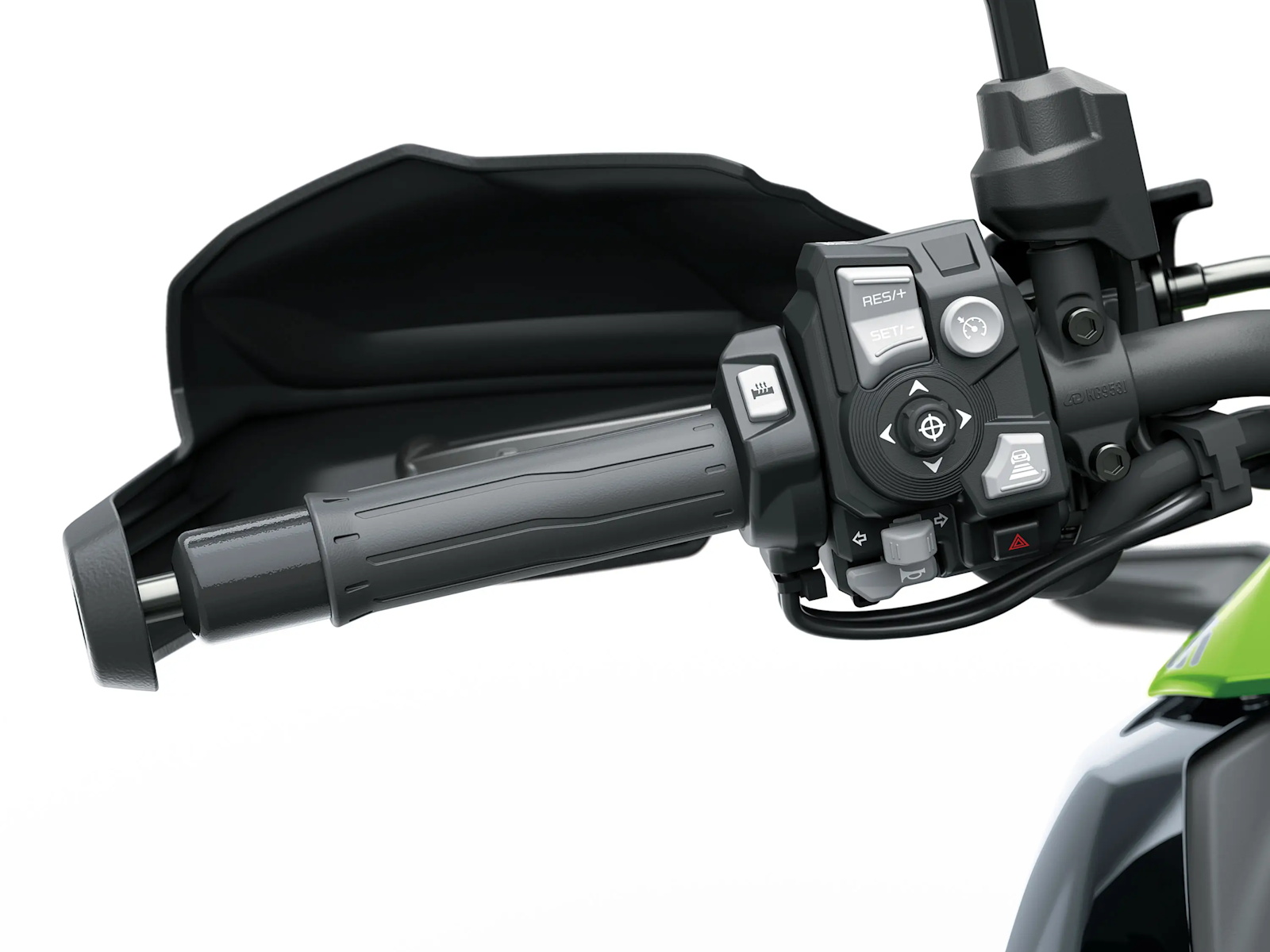
An enhanced version of Electronic Cruise Control, ACC Lite maintains the speed set by the rider, but adjusts the vehicle speed to maintain a suitable following distance from the vehicle in front.
A front-facing radar sensor uses millimetre- wave radar to scan ahead in the rider's lane. The system takes into account current vehicle speed, the proximity and speed of the vehicle ahead, and the rider-selected distance setting (Near, Medium, or Far).
When the following distance is deemed insufficient, vehicle speed is reduced smoothly and naturally via the Electronic Throttle Valves. ACC Lite differs from ACC in that it does not control braking components, meaning rider intervention is required when stronger deceleration is necessary or when the speed of the preceding vehicle drops significantly below the set cruising speed.
Once sufficient following distance has been regained, the system accelerates to match the preceding vehicle's speed, or if the lane is clear (because the vehicle ahead has changed lanes, or has accelerated beyond the set speed) the system accelerates naturally back to the set speed. After rider intervention of the brakes-which disengages the system-pushing the RES button is necessary to resume cruise control mode.
ARAS (Advanced Rider Assistance Systems)
Using millimetre-wave radar sensors mounted fore and aft to sense other vehicles in proximity to the motorcycle, ARAS provides a number of features that contribute to next- level comfort and enhanced rider confidence. The features offered vary by model, but may include:
- ACC (Adaptive Cruise Control)
- ACC Lite (Adaptive Cruise Control Lite)
- FCW (Forward Collision Warning)
- BSD (Blind-Spot Detection)
BSD (Blind-Spot Detection)
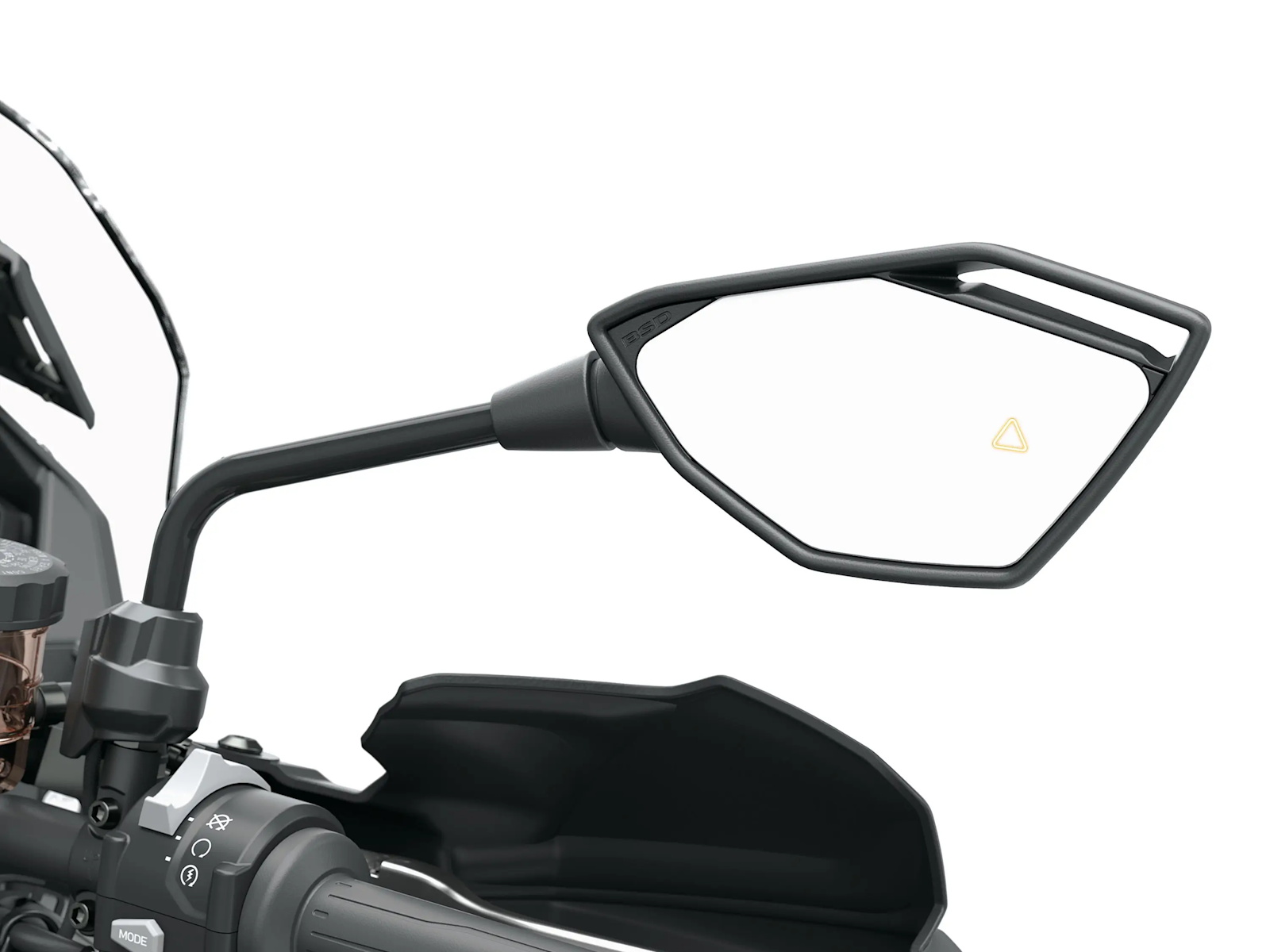
Using a rear-facing radar sensor, BSD monitors the bike's surroundings and alerts the rider to presence of a vehicle approaching in the rider's blind spot.
The rear-facing radar sensor scans behind in the lanes to the left and right of the rider. When an approaching vehicle is detected, an LED built into the rearview mirror will light up. (Note: BSD will not alert the rider to vehicles directly behind the bike, or vehicles that are moving away from the bike.)
Should the rider indicate the intent to change lanes by switching on their turn signal while a vehicle is detected in a blind spot, the mirror LED will flash.
Features May Include:
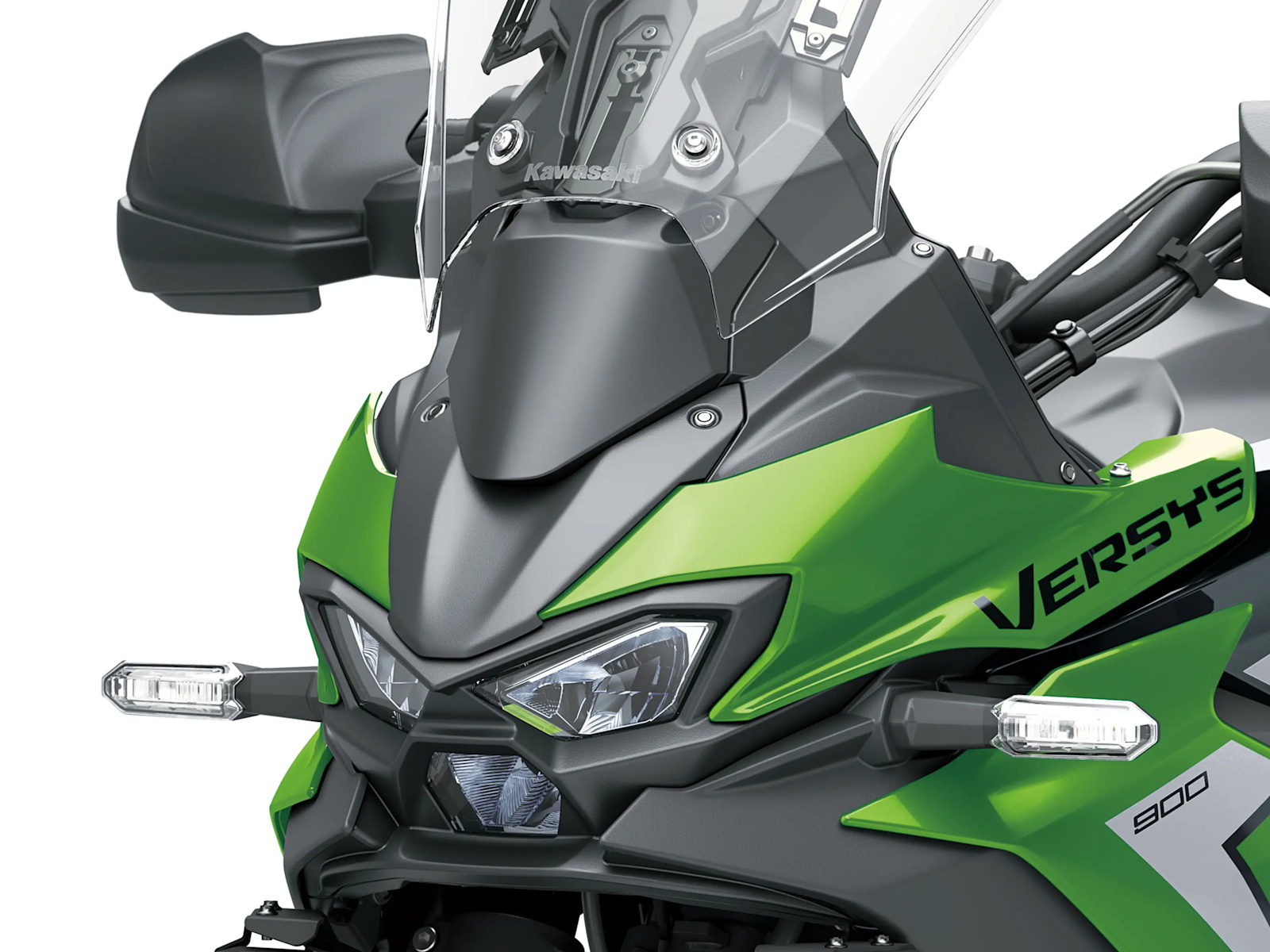
- Next-generation VERSYS® design
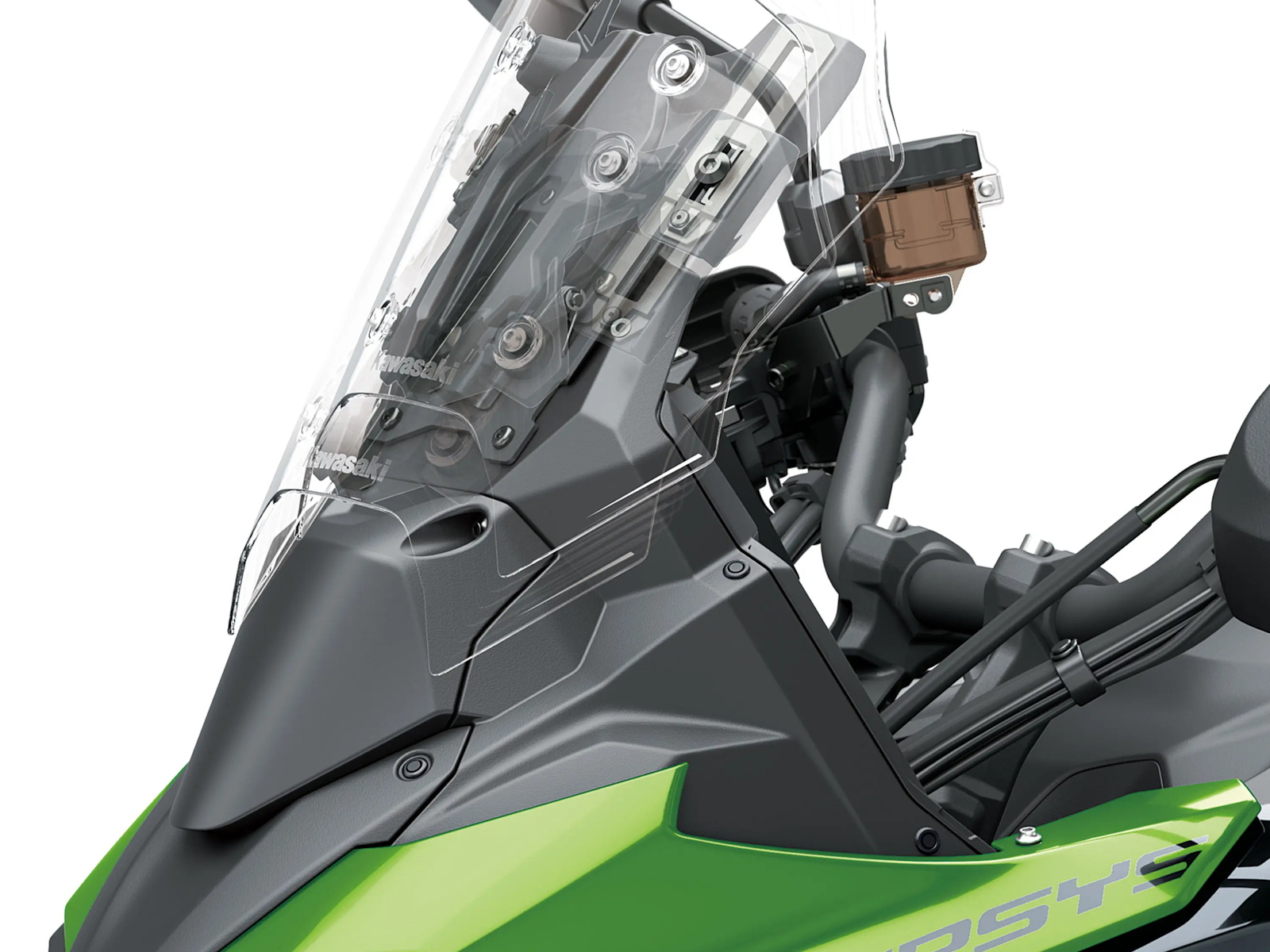
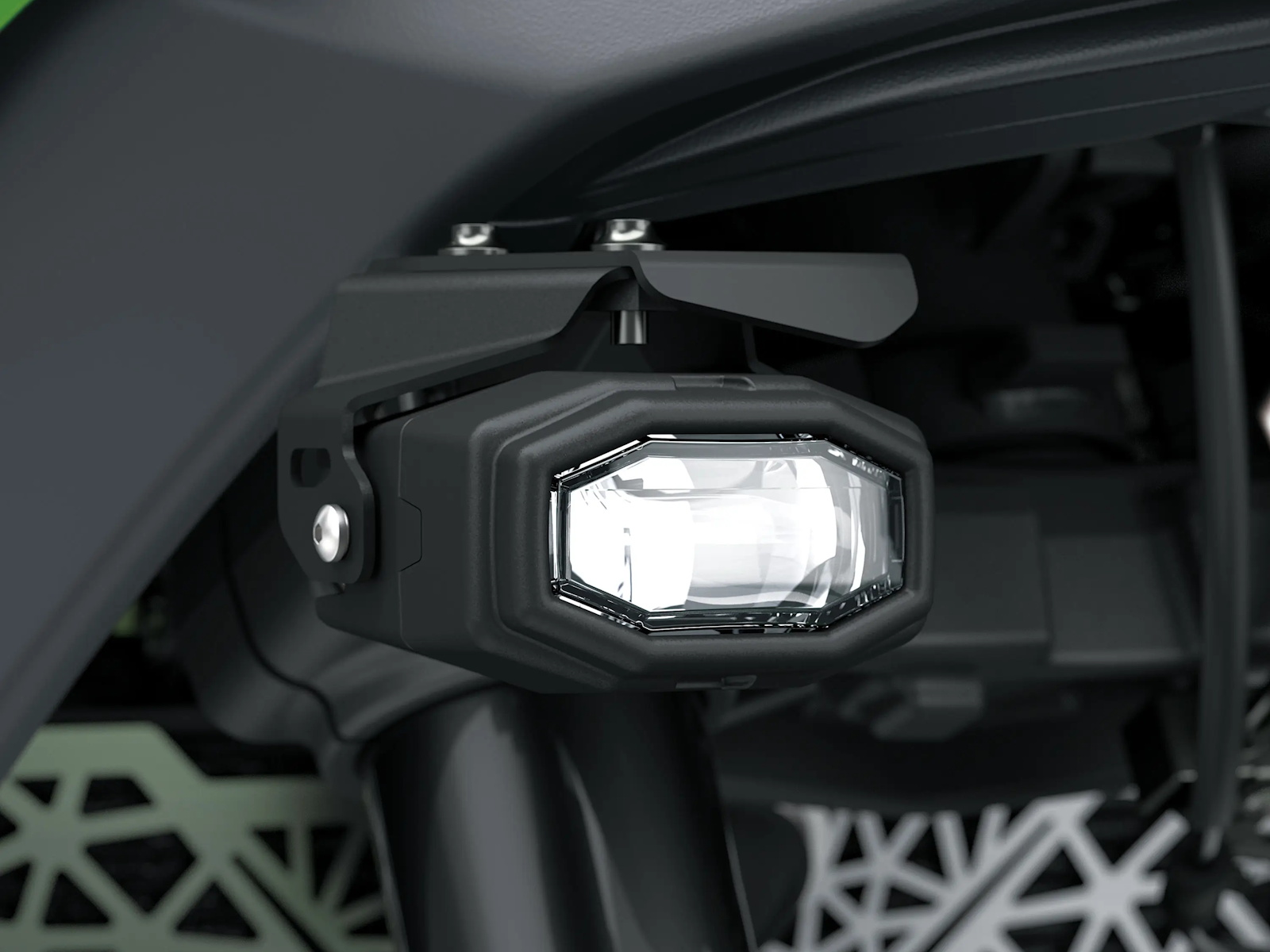
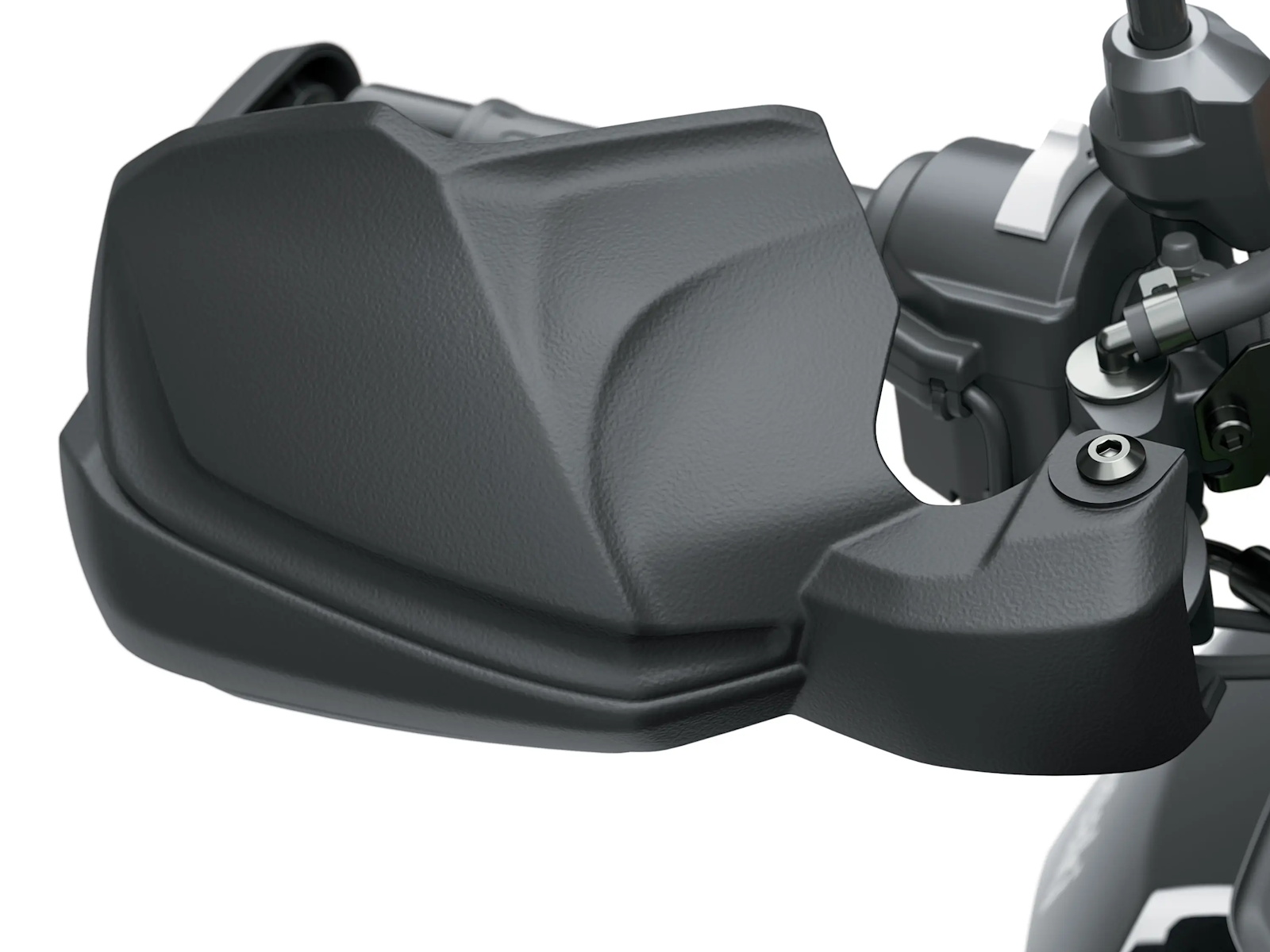
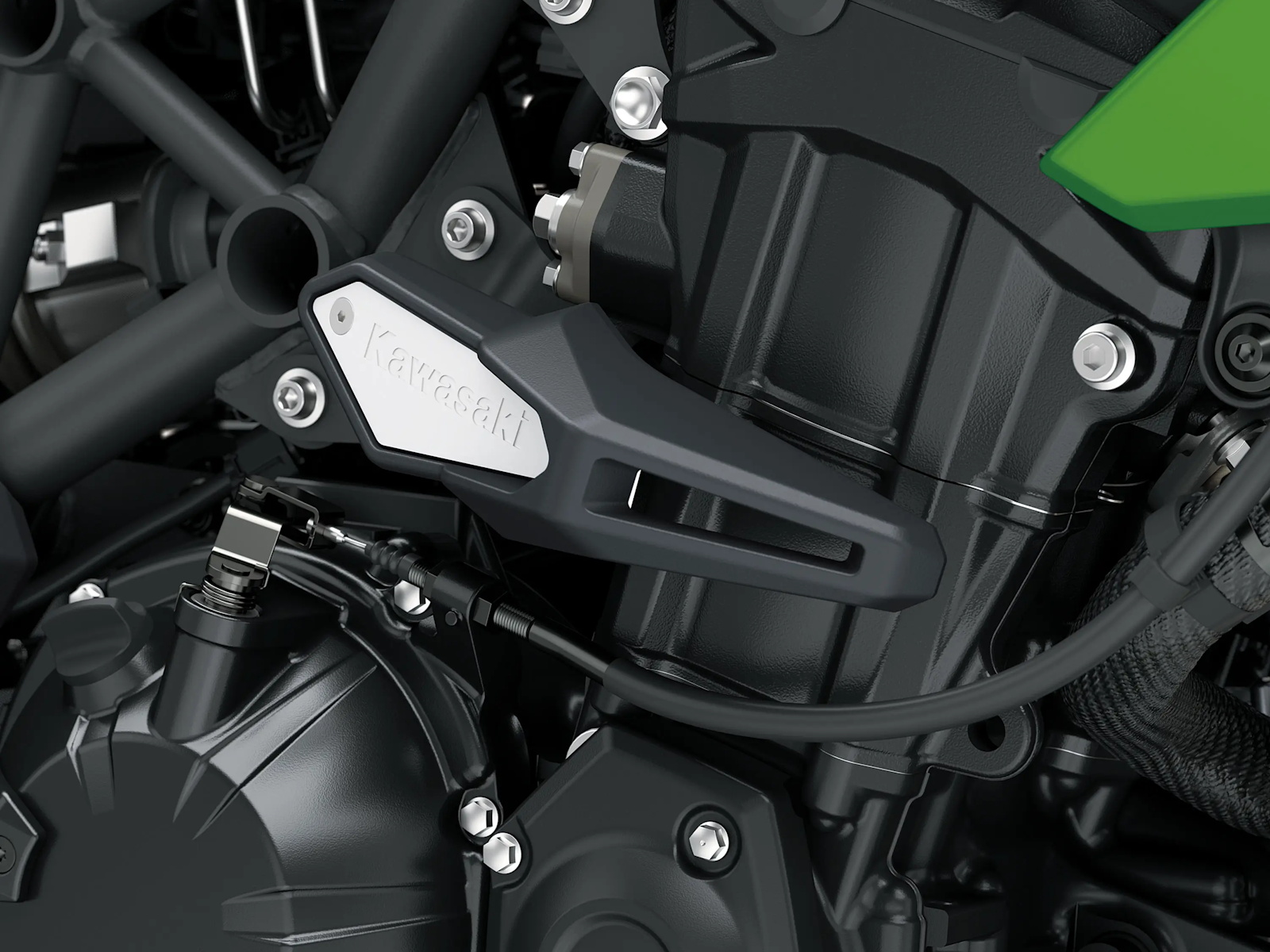
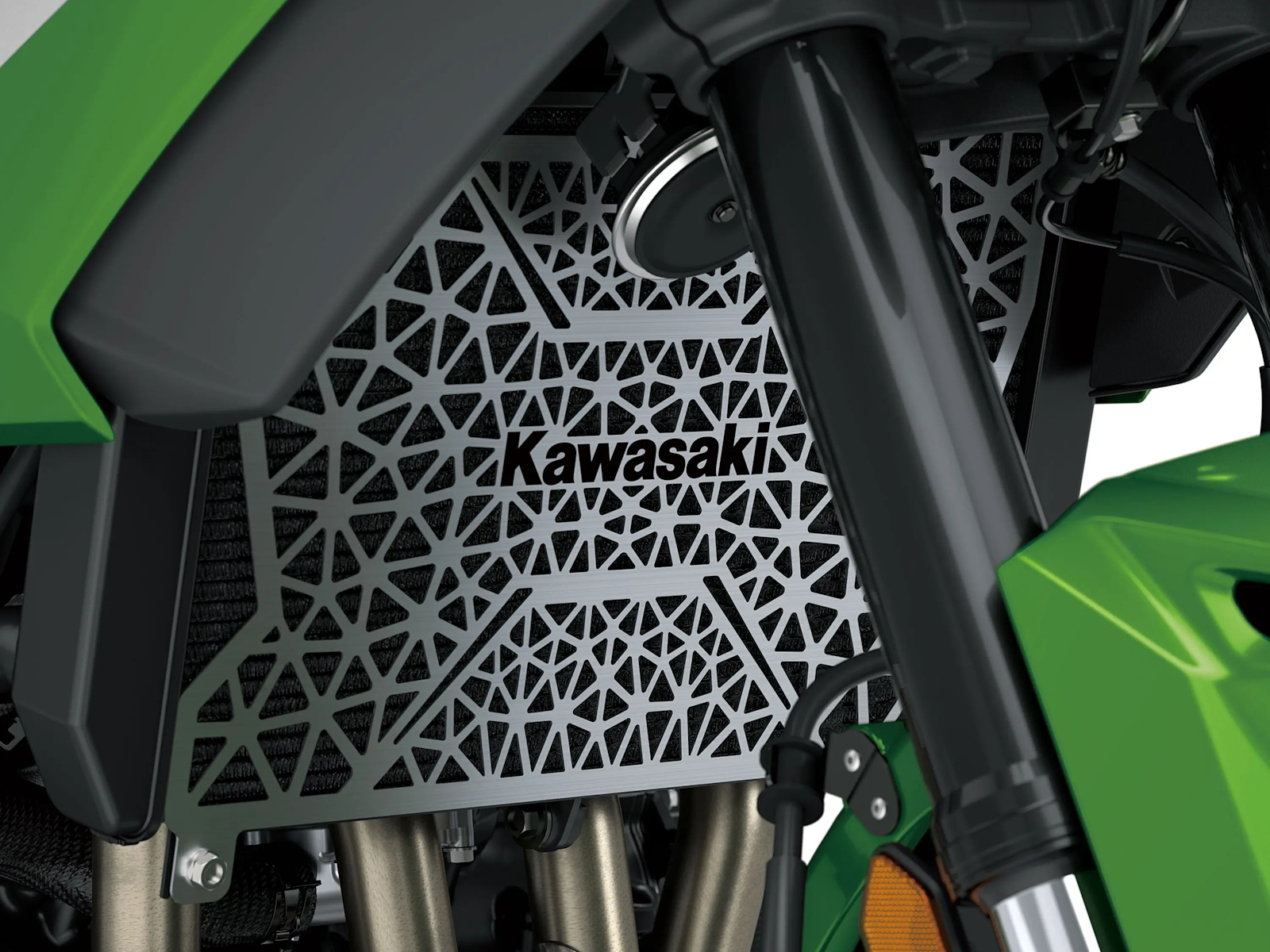
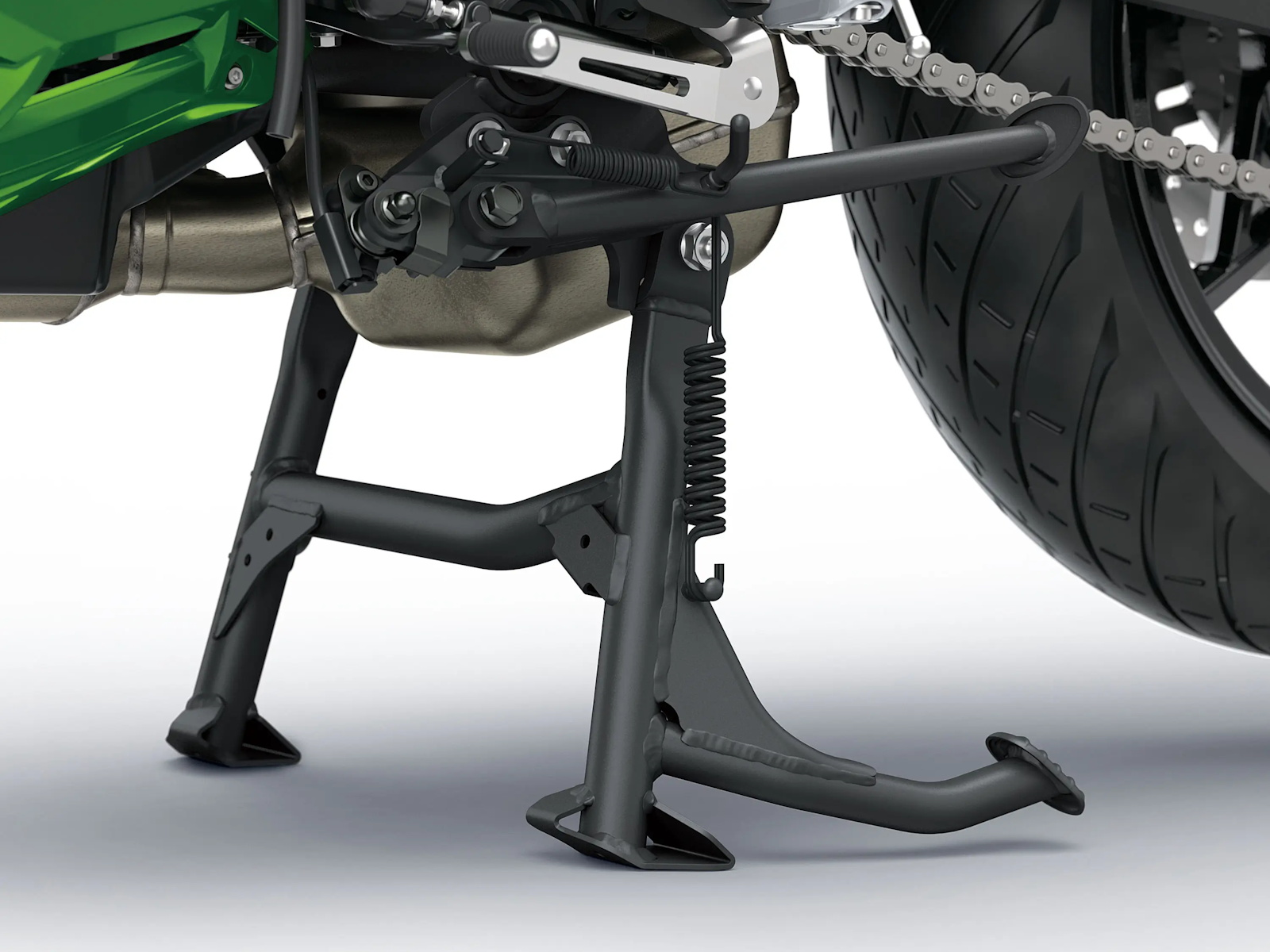
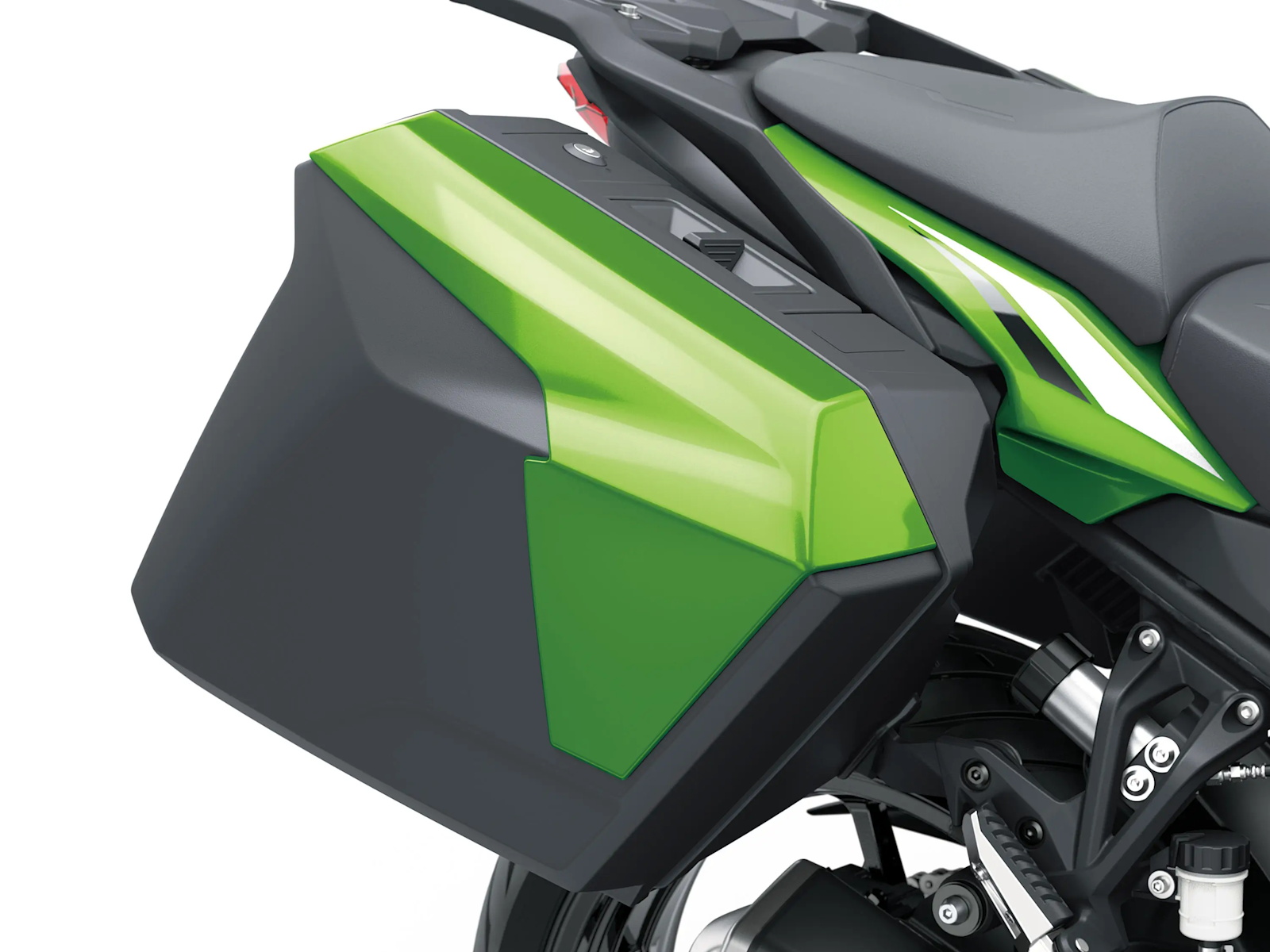
- Adventure touring-ready: adjustable windscreen, hand guards, grip heaters, LED fog lights, radiator screen, frame sliders, center stand, and hard saddlebags
- Kawasaki Cornering Management Function (KCMF)
- Kawasaki TRaction Control (KTRC)
- Power Mode selection and Integrated Riding Modes
- Dual-direction Kawasaki Quick Shifter (KQS)
- Adaptive Cruise Control Lite (ACC Lite)
- Forward Collision Warning (FCW)
- Blind Spot Detection (BSD)
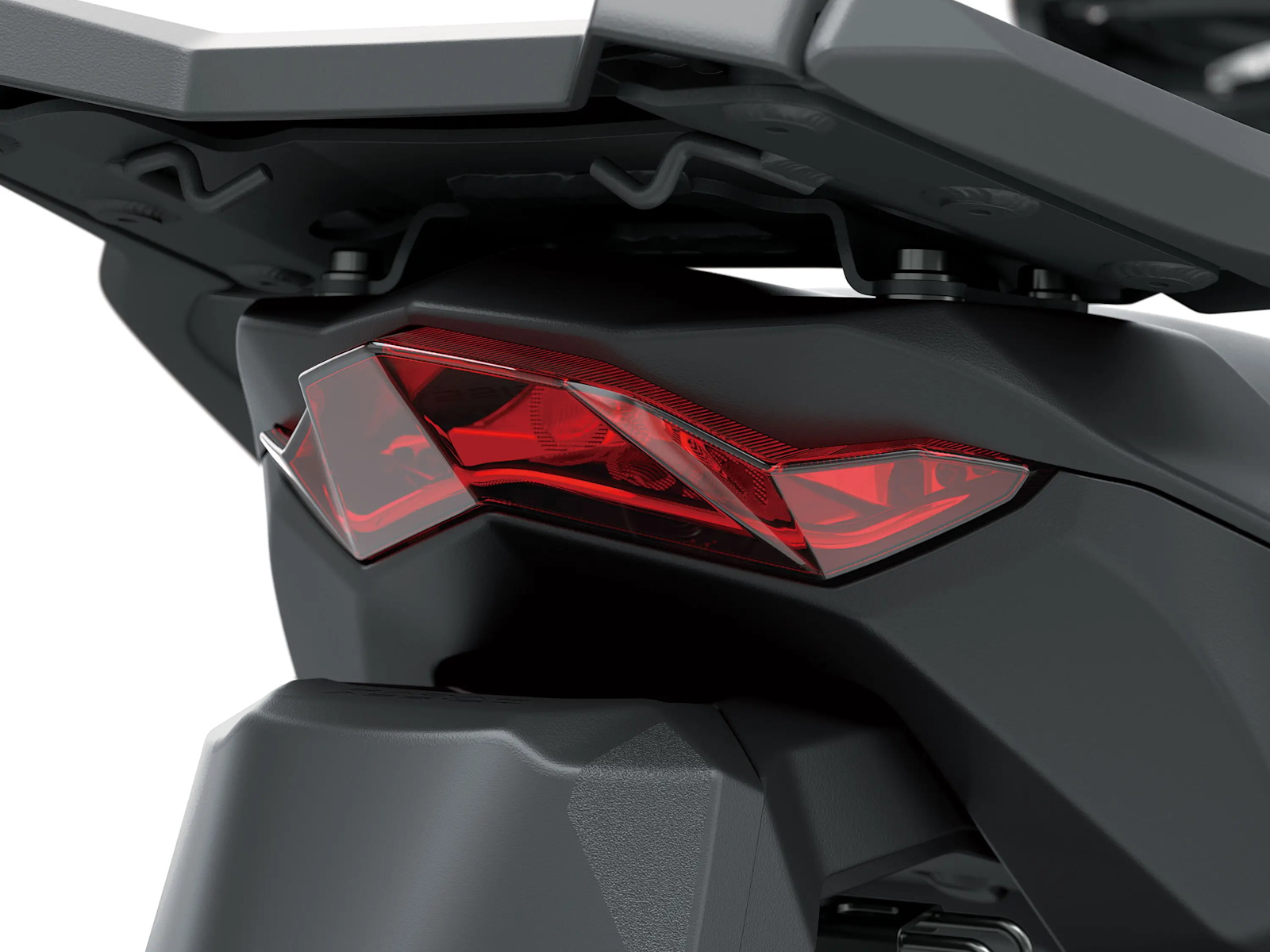
- All-LED lighting
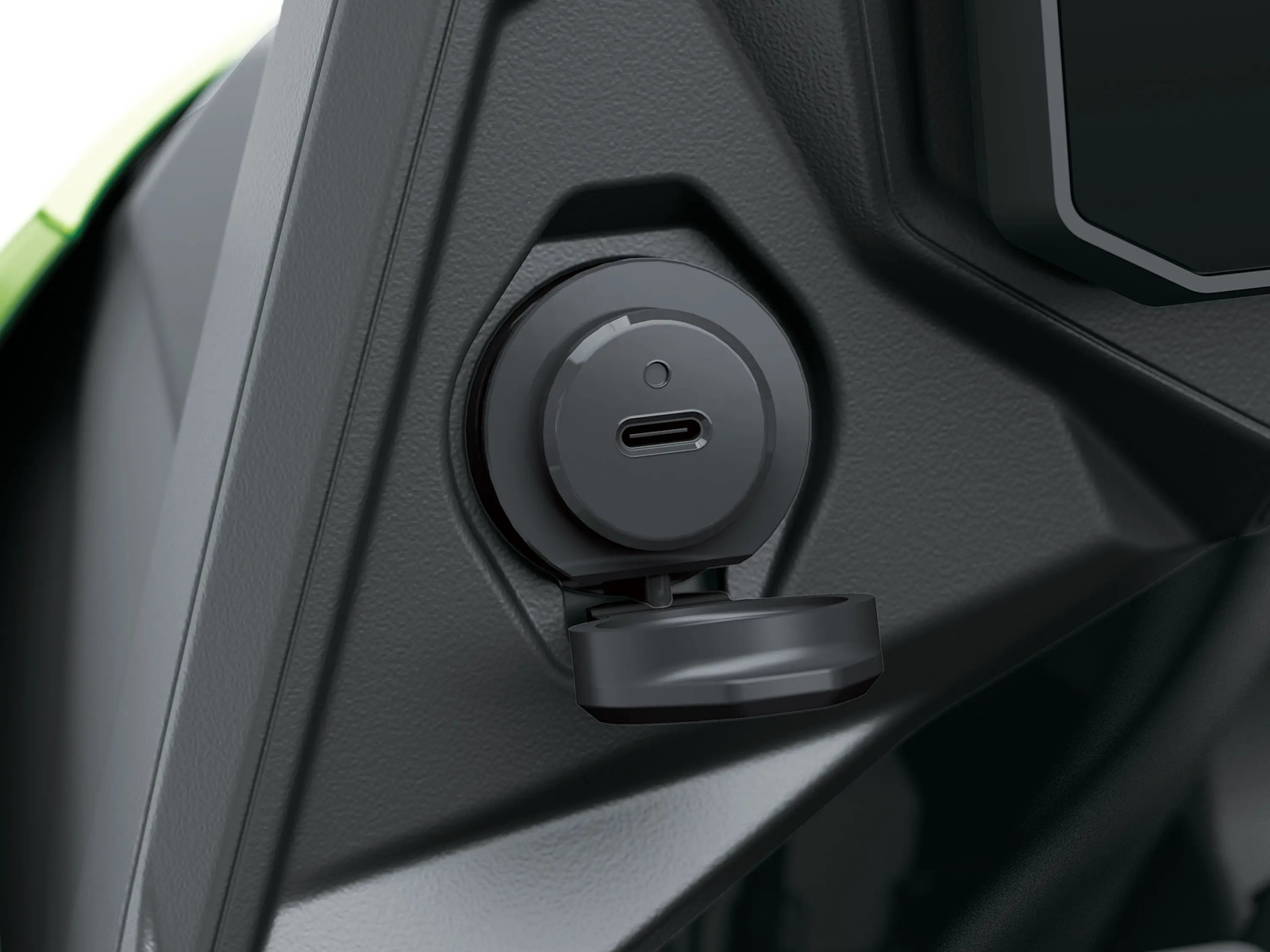
- USB Type-C outlet
Info
Industry
Powersports
Make
Kawasaki
Model
VERSYS 900 SE LT ABS
Trim
Plasma Lime Green / Metallic Spark Black
Year
2027
MSRP
13599
Category
Motorcycle
Subcategory
Sport Touring